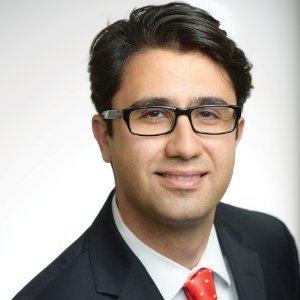
Ali Vaez

Ali Vaez is an Iranian-American expert on Iran and Middle Eastern affairs, is an apologist for the Islamic Regime of Iran. He serves as the Iran Project Director and Senior Advisor to the President at the International Crisis Group, an organization that claims to focus on preventing and resolving deadly conflicts. However, Vaez’s work has drawn significant criticism for being overly conciliatory towards the Islamic Republic of Iran (IRI), raising concerns that his positions benefit the regime at the expense of U.S. national security and the Iranian people’s struggle for freedom.
Vaez has been a key advocate for the 2015 Iran nuclear agreement (JCPOA) and continues to support efforts to revive the deal. He frequently provides analysis in international media, offering insights into Iran’s nuclear program, U.S.-Iran relations, and broader regional dynamics. His views are presented as diplomatic solutions, often calling for negotiation and de-escalation. Yet, behind this diplomatic façade lies a troubling pattern: Vaez consistently downplays Iran’s human rights abuses, regional destabilization, and malign activities in favor of promoting policies that align closely with Tehran’s interests.
As revealed in leaked Iranian Foreign Ministry documents and other reports, Vaez played a behind-the-scenes role in advancing Iran’s positions during the nuclear negotiations, working closely with the regime to undermine key provisions that would have limited Iran’s ability to pursue a nuclear weapon. His opposition to the “breakout” concept—an essential measure to prevent Iran from acquiring sufficient nuclear material for a bomb—echoed Tehran’s own narrative, and his efforts appeared to align more with the regime’s strategic goals than with any neutral pursuit of conflict resolution.
Furthermore, Vaez’s involvement in the so-called “Iran Experts Initiative” (IEI), an influence operation run by Iran’s Foreign Ministry, raises serious questions about his impartiality. This program sought to enlist Western academics and think tankers to promote Tehran’s positions on the nuclear issue. Though Vaez and Crisis Group dispute their involvement as tools of Iranian influence, aligning their positions with Tehran’s objectives speaks volumes. His detractors argue that Vaez’s work does more than advocate for diplomacy; it actively assists the regime in shaping global narratives, ultimately preserving its power while disregarding the aspirations of the Iranian people.
Vaez’s approach not only disregards the authoritarian nature of the IRI but also endangers U.S. national security by advocating for policies that allow Iran to continue its nuclear ambitions and destabilize activities in the region. His willingness to engage with the regime, despite its egregious human rights violations and terror sponsorship, undermines the legitimate struggles of Iranians, particularly in the wake of the 2009 Green Movement, the 2019 protests, and the ongoing Women, Life, Freedom uprisings. Vaez’s actions enabled the regime’s survival rather than holding it accountable for its crimes. Vaez’s influence has been damaging, prioritizing diplomatic appeasement over genuine conflict resolution and disregarding the Iranian people’s quest for justice and freedom.