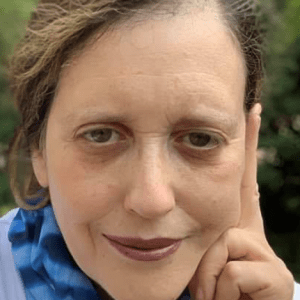
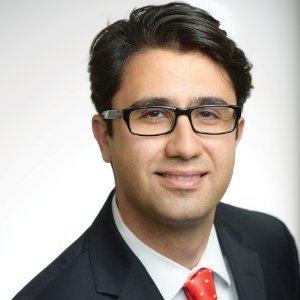
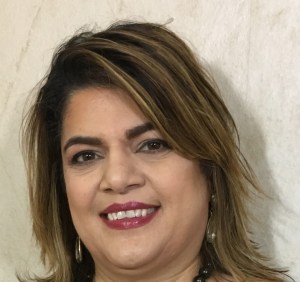
سرکار خانم آمبار، ریاست محترم کالج اوبرلین،ما به عنوان متخصصان حقوق بشر و اعضای جامعه مدنی که فعالیتهای آکادمیک و کنشگری خود را بر وضعیت حقوق بشر در ایران متمرکز کردهایم، این نامه را خطاب به شما نوشتهایم.اخیرا خبردار شدیم که کالج اوبرلین، محمد جعفر محلاتی را به عنوان صاحب کرسی “نانسی شروم دای برای مطالعات خاورمیانه و آفریقای شمالی” در استخدام خود در آورده است. همچنین مطلع شدیم که صدها خانواده قربانیان کشتار زندانیان سیاسی سال ۱۳۶۷ در ایران، طی نامه سرگشاده مورخ مهرماه ۱۳۹۹ و مکاتبات متعاقب آن، پیشینه آقای محلاتی را برای شما شرح دادهاند اما جنابعالی هیچ اقدام قابل قبولی در این خصوص انجام ندادهاید. هدف ما از تحریر این نامه خطاب به شما این است که صدای خود را به صدای این خانوادهها افزوده و خواستار انجام تحقیقات مستقل و بیطرفانه شویم.اگرچه در نامه قربانیان به شما پیشینه آقای محلاتی شرح داده شده اما لازم میدانیم به لحاظ اهمیت موضوع، واقعیات امررا مجددا بازگو نماییم. آقای محلاتی طی سالهای ۱۳۶۶ تا ۱۳۶۸، سفیر و نماینده دائمی جمهوری اسلامی ایران در سازمان ملل متحد بود.اگر چه چنین سمتهای بالایی همواره به افراد وفادار به حکومت داده میشده، اما باید به خاطر داشت که دهه ۱۳۶۰ شمسی به لحاظ عقیدتی و شدت خشونت اِعمال شده در آن، مقطعی منحصر به فرد در تاریخ مدرن ایران محسوب میشود و فقط افرادی که کاملا همراه و تابعِ مطلق ایدئولوژی جمهوری اسلامی بودند به این گونه مشاغل عالی منصوب میشدند. در زمان تصدی آقای محلاتی به عنوان نماینده جمهوری اسلامی در سازمان ملل، دولت ایران به پاکسازی روشمند و به شدت خشونت بار کلیه زندانیان سیاسی مبادرت ورزید و طی آن دست کم ۳ هزار و ۸۰۰ تن را به قتل رساند. به گفته سازمانهای طراز اول حقوق بشری و نیز پارلمان کانادا، این کشتارها به موجب حقوق بین الملل، جرائم علیه بشریت محسوب میشوند. برای نمونه، در روز ۲۳ تیر ماه سال جاری، دادگاهی در کشور سوئد، با استناد به صلاحیت بین المللی [فراسرزمینی] (مفهومی که تنها برای جدی ترین جرائم بین المللی به کار برده میشود) یکی از مسئولان زندانهای وقت را گناهکار شناخت و به حبس ابد محکوم کرد.در خلال این کشتارها، سازمان عفو بین الملل تعداد ۱۶ فراخوان اقدام فوری خطاب به جامعه بین المللی صادر کرد و به جهانیان نسبت به قتلها هشدار داد و از دولت ایران خواست به کشتارها پایان دهد. بنابراین هر کس که رغبتی هر چند گذرا هم به مسائل مربوط به ایران نشان میداد از وقوع این قتلها آگاه میبود و به سختی میتوانست تردیدی در خصوص موثق بودن آن داشته باشد چرا که منبع خبر (عفو بین الملل) معتبر بوده وعلاوه بر آن، کشتارها با رویه سرکوب خشن جاری و معمول در ایران پسا انقالب، مطابقت داشت.با این حال، همان گونه که سازمان ملل متحد و سازمان عفو بین الملل هر دو خاطرنشان ساختهاند، آقای محلاتی تلاشهای بسیاری برای انکار این کشتارها و جلوه دادن آن به عنوان تبلیغات خارجی به کار برد. بنا به گزارش سازمان عفو بین الملل “محلاتی… در جریان جلسهای با نماینده ویژه سازمان ملل متحد در باره وضعیت حقوق بشر در ایران، وقوع کشتارها را انکار کرده و مدعی شد “بسیاری از این کشتارها در واقع در میدان جنگ به وقوع پیوسته است”. آقای محلاتی همچنین خبر این اعدامها را “کذب محض”، “تبلیغات سیاسی علیه جمهوری اسلامی”، و “اخبار جعلی” خواند.نظر کارشناسانه جمعی گروههای حقوق بشر بر این است که آقای محلاتی یا نسبت به وقوع کشتارهای سال ۶۷ اطلاع داشته و یا باید اطلاع میداشته است. حتی اگر هم مطلع نبوده (که به شدت غیرمحتمل است)، یک فرد منطقی در منصب او، در مورد این کشتارها تحقیق و کنکاش میکرد و از وقوع آن اطلاع مییافت. بنابراین، دروغهای محلاتی به سازمان ملل در مورد کشتارها، موید نیتی مبنی بر گمراه کردن جامعه بین المللی به منظور تلاش در پنهان کردن و سرپوش گذاشتن بر کشتارها است.کار پژوهشی آقای جفری رابرتسون، وکیل برجسته بین المللی – که در یک گزارش حقوقی در خصوص این کشتار تحقیقات جامعی به عمل آورده – نظرات ما را تایید میکند. وی در گزارش خود خاطر نشان ساخت: “هنگامی که موضوع تعقیب [افراد و مسئولان کشوری] به لحاظ مشارکت در ارتکاب جرائم علیه بشریت مطرح است، هیچ دلیل موجهی وجود ندارد که دیپلماتها را مستثنی کنیم، که علی رغم علم به حقیقت، باز هم در مورد آن به نهادهای سازمان ملل دروغ میگویند (نهادهایی که این دیپلماتها موظفند در قبال آن حقایق و واقعیات را بیان کنند). جعفر محلاتی، سفیر جمهوری اسلامی در سازمان ملل متحد، بارها کشتار زندانیان را انکار کرد و مدعی شد که چنین اتهاماتی تبلیغات دشمنان رژیم بوده است”. آقای رابرتسون در ادامه میافزاید “گفته میشود محلاتی در ایاالت متحده آمریکا اقامت گزیده، کشوری که ممکن است در آن، به موجب قانون [مسئولیت مدنی] بیگانگان در قبال ارتکاب شبه جرائم (Alien Tort، Claim Act) به اتهام معاونت در شکنجه زندانیان، علیه وی دعوای مدنی اقامه شود”.علی رغم حجم زیاد ادله و براهین علیه آقای محلاتی، هنگامی که آگاهی یافتیم کالج اوبرلین نه تنها او را به استخدام رسمی خود در آورده، بلکه تحقیقاتی بی سرو صدا و پنهانی نیز به عمل آورده که حاصل آن تبرئه کاملا غیر عقلایی وی بوده است، به شدت مایوس شدیم. تا آن جا که ما اطلاع داریم، اوبرلین در انجام این تحقیقات، نه در این خصوص با متخصصان صحبت کرده و نه با قربانیان. واقعیت امر این است که افرادی که این اتهامات را علیه آقای محلاتی مطرح کردند، از انجام این تحقیقات حتی مطلع هم نشدند. روند انجام این تحقیقات و نتیجه گیری عجیب و شگفت آور آن مبنی براین که آقای محلاتی هیچ اطلاعی در باره کشتارها نداشته، ما را به این باور و جمع بندی میرساند که این تحقیقات، تلاشی برای کشف حقیقت نبوده بلکه هدف آن صرفا سرپوش گذاشتن و پرهیز از ادامه یک مناقشه بوده است.بنابر این، احتراما تقاضا داریم کالج اوبرلین اجازه دهد یک طرف ثالث، تحقیقاتی شفاف در باره اتهامات مطروحه علیه آقای محلاتی انجام دهد. اعتبار دانشگاه شما و تعهدتان نسبت به اجرای عدالت و انصاف، به این امر مهم بستگی دارد. احترامادکتر شیرین عبادی، حقوق دان، فعال حقوق بشرContinue reading “نامه شیرین عبادی، آذر نفیسی و لادن برومند به رئیس کالج اوبرلین: درباره محمدجعفر محلاتی تحقیقات شفاف انجام شود”
News Archives
Human Rights Activists’ Letter to Oberlin College
December 12, 2022 Authors: Dr. Shirin Ebadi, Lawyer, human rights activist & Nobel peace laureate Dr. Azar Nafisi, Writer & former Professor of English literature Dr. Ladan Boroumand, Historian & Co-founder of Abdorrahman Boroumand Center for Human Rights in Iran
تحقیقات کنگره آمریکا از عملکرد کالج «اوبرلین» بهدلیل استخدام محمد جعفر محلاتی
مهر/۱۴۰۱ مجلس نمایندگان ایالات متحده تحقیقاتی را در مورد عملکرد کالج آمریکایی «اوبرلین» بهدلیل استخدام محمد جعفر محلاتی آغاز کرده که متهم به داشتن روابط نزدیک با ایران است و از لفاظیها درباره نابودی اسرائیل حمایت میکند. روزنامه اسرائیلی «جروزالم پست» روز دوشنبه ۱۸ مهر خبر داد که تحقیقات این مجلس در رابطه با فعالیت محمد جعفر محلاتی از حدود دو هفته پیش آغاز شده است. آقای محلاتی در رشته الهیات و مطالعات اسلامی در این کالج در ایالت اوهایو تدریس میکند. شماری از نمایندگان جمهوریخواه مجلس نمایندگان شامل جیم بنکس از ایالت رود آیلند و ویرجینیا فوکس از کارولینای شمالی، که اعضای بانفوذ در کمیته آموزش این مجلس هستند، طرح تحقیقات از آقای محلاتی را کلید زدهاند. به گزارش شبکه تلویزیونی «فاکس نیوز»، این دو عضو مجلس نمایندگان در نامه به کارمن تویلی آمبر، رئیس کالج اوبرلین، نوشتهاند که محمد جعفر محلاتی از اعدام زندانیان سیاسی در ایران حمایت کرده و اظهاراتی در پشتیبانی از نابودی اسرائیل بیان کرده است. آنها در این نامه محمد جعفر محلاتی را فردی معرفی کردهاند که هنوز با «رژیم خودکامه» ایران ارتباط دارد. جروزالم پست نیز نوشت که او هنوز دیدگاههایش را در نشریه «سپهر سیاست» که وابسته به سپاه پاسداران است، منتشر میکند. کارزار سیاسی برای اخراج آقای محلاتی از کالج اوبرمن دو سال پیش از سوی شماری از ایرانیان مخالف جمهوری اسلامی ایران در آمریکا و کانادا کلید زده شد. لادن بازرگان، یکی از کنشگران سیاسی ایرانی و عضو اتحاد علیه جمهوری اسلامی ایران، در گفتوگو با جروزالم پست، از اینکه نمایندگان جمهوریخواه کنگره صدای اعتراض او و فعالان دیگر را شنیدند، ابراز خشنودی کرد. بیژن بازرگان، برادر لادن بازرگان، یکی از اعدامشدگان سیاسی در زندانهای جمهوری اسلامی در دوره پس از جنگ ایران و عراق بود. روزنامه دانشجویان کالج اوبرلین روز ۱۵ مهر نوشت که آغاز تحقیق کنگره در مورد محمد جعفر محلاتی فرصتی است که این کالج به حقیقت دخالت این فرد در کشتار ایرانیان پی ببرد. محمد جعفر محلاتی که در سالهای ۱۳۶۷ و ۱۳۶۸ سفیر جمهوری اسلامی ایران در سازمان ملل متحد بود، پیشتر در دفاع از خود گفته بود که نقشی در اعدام زندانیان سیاسی آن دوره نداشته است. با این اوصاف، مخالفانش تاکید دارند که او آن اعدامهای دستهجمعی را توجیه کرده است. بر اساس گزارش جروزالم پست، فاکس نیوز و رادیو فردا/ف.ر/ک.ر Please Click Here for the article.
GOP Letter Highlights Failures of College’s Mahallati Investigation
Arman Luczkow, Opinions Editor|October 7, 2022 On Sept. 28, Republican Representatives Jim Banks and Virginia Foxx sent a letter to Oberlin College and President Carmen Twillie Ambar announcing an investigation into Professor of Religion Mohammad Jafar Mahallati for his “well-documented involvement in human rights abuses while part of the government of the Islamic Republic of Iran and his continued support for Iran’s tyrannical regime while under [the College’s] employment.” As skeptical as the Oberlin community might be of this investigation, I caution us not to dismiss it out of hand. Congress has the ability to uncover evidence that has eluded international bodies, families and activists, and part-time student journalists. For my own part, despite contributing to the Review’s Nov. 5 editorial “Evidence Against Mahallati Irrefutable,” I was unaware of Mahallati’s involvement with Iran-based journal Sepehr-e-Siasat or his 2018 letter to the Speaker of the Islamic Consultative Assembly asking to censor a critic of the regime, both of which are detailed in the Representatives’ letter. The end of the letter questions the College’s hiring process for faculty. This seems to be a legitimate area of inquiry — after all, faculty who were involved in Mahallati’s hiring process now hold senior administrative positions at the College. A potential conflict of interest casts doubt upon the College’s own investigative processes. After hiring an anonymous third party to investigate Mahallati, the College never revealed the findings, which emboldened them to declare his innocence. What court of law or institution of common sense would accept such a standard? This controversy is not only a concern for other countries or outside parties. During my time at the Review, I discussed the Mahallati case with four professors, often on more than one occasion. In each instance, my professors were the first to broach the topic, eager to hear a student’s perspective and share their own thoughts. Several of them were concerned about Mahallati’s potential involvement in covering up the 1988 massacres. None of them outright condemned Mahallati or proclaimed his innocence. Common among my professors, however, remained hope for a proper investigation and doubt of the College’s ability to conduct one. Faculty is possibly wary of speaking publicly about a colleague and confronting a College already keen on stripping their institutional role to its bare bones. Their silence cannot be taken as proof of apathy. Some may believe that even if Mahallati did cover up the massacres, it was an error of many decades ago. But this is not history. The government that stole so many Iranians from their families in 1988 is the same oppressive regime besieged by protest at this very moment. The longevity of despotism relies upon many averted eyes and shut mouths. It is true that the letter treads well beyond the current allegations against Professor Mahallati, inquiring if Oberlin College has received funding from the Islamic Republic of Iran and detailing the stabbing of Salman Rushdie, a recent tragedy that holds no bearing on Mahallati’s culpability for Iran’s cover-up of the 1988 executions. At times the letter is hyperbolic, with obvious political underpinnings. Reading these words, I can only imagine Representatives Banks and Foxx salivating at the opportunity to mire Oberlin — an institution they disdain — in further ignominy. Yet the investigation led by Representatives Banks and Foxx, however flawed in its intent, may be the best chance for the families of those killed by the Iranian regime, and for the Oberlin community, to learn the truth of Mahallati’s involvement in the massacre. For this, I am ashamed. I am ashamed that truth arrives at our doorstep embossed in animosity, rather than hand-delivered by those with love in their hearts, a love for Oberlin as conditional as it is unbounded, as I have. I remind myself that I must only care about the political alignment of Jim Banks and Virginia Foxx insofar that it may impact the veracity of their findings. If we are disappointed in the messengers, we have only ourselves to blame. The Oberlin community has outsourced this controversy, content to stride past protesting families in Tappan Square or argue in Facebook comments sections under attention-grabbing headlines rather than dutifully read the body of news at their fingertips. And so, our truth deferred has become the tool of another’s malice. Arman Luczkow OC ’22 Please Click Here for the article.
Northeast Ohio couple speaks out about Mahsa Amini death in Iran
BY JADE NASH CLEVELAND PUBLISHED 4:00 PM ET OCT. 03, 2022 LAKEWOOD, Ohio — Fatemeh Pishdadian and her husband, Hamid Charkhkar, made signs to carry at a protest. What You Need To Know A protest against the death of Mahsa Amini took place at Cleveland Public Square on Oct. 1 Fatemeh Pishdadian and her husband, Hamid Charkhkar, attended Pishdadian’s parents died as political activists in Iran in the 1980s “This is to support the Iranian people, who took to the streets to protest their anger,” Charkhkar said. The couple joined the millions of people around the world speaking out against the death of Mahsa Amini, 22, who died days after being arrested by Iran’s morality police for how she wore her head covering. “She was arrested because of not wearing [a] proper hijab,” Pishdadian said. Both Pishdadian and Charkhkar grew up in Iran, and Pishdadian said she was shocked by the size of this uprising. “What is so significant about this uprising in Iran is it’s a progressive aspect,” Pishdadian said. “It’s about women and their rights.” She said she felt motivated to speak out because of her parents. “They were political activists, and they were arrested and imprisoned,” Pishdadian said. “My father was killed under torture, and my mother was executed for the crime of speaking out.” Pishdadian said her parents died when she was just eight months old. Despite having no memory of them, she said she wants to carry their legacy. “Every time I attend a protest, I take them with me because I want the three of us to be together whenever we are raising our voices,” Pishdadian said. It’s a type of support that Charkhkar said he’s proud to join his wife in. “In my opinion, it’s not just a women issue, it’s a human rights issue,” Charkhkar said. They said they planned to make their voices heard in the middle of Cleveland Public Square on Oct. 1. “Even though we are far away from home, our heart goes out to them. We are breathing and living this call for freedom every day,” Pishdadian said. The couple added that after the protests end; they want the world to continue keeping their eyes on Iran. “It is very crucial for people to keep saying Mahsa’s name,” Charkhkar said. Please Click Here for the article.
2 U.S. Reps demand details of Oberlin professor’s job
Jason Hawk, The Chronicle-Telegram Sep 30, 2022 5:00 AM OBERLIN — Two members of Congress say religion professor Mohammad Jafar Mahallati’s employment at Oberlin College raises concerns “about the Iranian regime’s infiltration of our higher education system.” U.S. Reps. Jim Banks, R-Indiana, and Virginia Foxx, R-North Carolina, sent a letter Wednesday to Oberlin College trustees and President Carmen Twillie Ambar, saying they are worried about national security and demanding documents about his job and who pays for it. Both are members of the Committee on Education and Labor. The letter accuses the college of whitewashing Mahallati’s “well-documented involvement in human rights abuses” while he served as Iran’s ambassador to the United Nations from 1987 to 1989. During that time, the Islamic Republic of Iran executed thousands of political prisoners and buried them in unmarked graves. No one knows exactly how many were killed. Human Rights Watch estimates the deaths range between 2,800 and 4,500 while others believe as many as 30,000 perished. “Amnesty International, Human Rights Watch and Canada’s Parliament labeled these mass killings as crimes against humanity,” Banks and Foxx wrote. “Despite the clear and overwhelming evidence that these events were occurring, Mr. Mahallati dismissed these atrocities as ‘nothing but propaganda’ and ‘fake information.’” Mahallati taught at Princeton, Georgetown, Yale and Columbia University in the 1980s and 1990s, and was hired at Oberlin College in 2007. There he has developed courses in friendship and forgiveness studies and started the annual Friendship Day Festival. In October 2020, a group calling itself the Alliance Against Islamic Regime of Iran Apologists demanded Mahallati be fired. Leading the group was Lawdan Bazargan, who said her brother was among those put to death in 1988. Reached for comment Thursday, she said Mahallati “spent his life defending a brutal gender-apartheid regime” and said her group is “shocked and disappointed that Oberlin College has given Mahallati a platform to promote radical Islamic ideology, spread hate and division and call it peace and friendship.” She also criticized his role as a trustee of the Boston-based ILEX Foundation, which promotes the study of Middle Eastern civilizations. Through the foundation, Mahallati has allegedly invited controversial Iranian politicians to speak. As Iran’s representative, Mahallati had to know about the slaughter and was culpable in covering it up, Bazargan has said on several occasions. In a 2018 report, Amnesty International listed Mahallati among those who “were actively involved in denying the mass killings in media interviews and exchanges with the U.N. to shield those responsible from accountability.” Oberlin College said it conducted an investigation over the following year. “The inquiry did not find proof to corroborate the allegations that Professor Mahallati knew of the atrocities at the time he was asked about them during his tenure at the United Nations,” according to a statement from the college. Nor could the review find a pattern of antisemitic behavior or calls for the destruction of Israel, Oberlin College said in response to accusations lobbied by protesters. Mahallati told the college he believes in a two-state solution allowing Israel and Palestine to coexist peacefully, according to the statement. Bazargan has also helped advance a recent claim that as Iran’s ambassador Mahallati defended Ayatollah Ruhollah Khomeini’s order to kill Salman Rushdie. The controversial author’s novel “The Satanic Verses” was based on the life of the prophet Muhammad and was perceived by many Muslims as blasphemy. Rushdie has survived a number of assassination attempts in the decades since, including being stabbed 15 times on Aug. 12 of this year. But the claim that Mahallati endorsed the fatwa against Rushdie is somewhat tenuous. Pressed about it in 1989, Mahallati reportedly said, “I think all Islamic countries agree with Iran. All Islamic nations and countries agree with Iran that any blasphemous statement against sacred figures should be condemned,” but did not explicitly call for violence. In their letter, Banks and Foxx said Mahallati has maintained a “close association with Tehran’s tyrannical regime” during his tenure at Oberlin. They called into question Oberlin College’s reporting of foreign funding under the Higher Education Act, and whether the Iranian government played a role in securing Mahallati’s job in 2007. Banks and Foxx have asked the college to disclose whether it’s received funding or in-kind contributions from Iran or anyone linked to its government and to disclose the funding source for Mahallati’s endowed professorship. They are also demanding any related financial statements, all contracts associated with Mahallati’s employment and his course syllabi from the past 15 years. The two representatives set an Oct. 12 deadline for the college to comply. “The United States has a clear interest in refusing to coddle human rights violators, and Congress has repeatedly raised concerns about domestic political interference from hostile foreign regimes on our college campuses,” they wrote. “It is utterly perplexing that Oberlin so obstinately harbors Mr. Mahallati, an individual with such a disgraceful past and of questionable current allegiance.” Mahallati and Oberlin College did not respond to requests for comment. Jason Hawk can be reached at (440) 329-7122 or news@lcnewspapers.com. Please Click Here for the article.
Exclusive: Congress probes Oberlin College prof. with links to Iranian regime
A letter sent to Oberlin wants answers on professor’s ‘apparent leading role in covering up the Iranian regime’s atrocities’ By Benjamin Weinthal | Fox News Two Republican lawmakers from the Committee of Education and Labor called for an inquiry Wednesday into Oberlin College’s religion studies professor Mohammad Jafar Mahallati due to his reported ties with the world’s worst state-sponsor of terrorism, the Islamic Republic of Iran and his alleged role in the cover-up of a massacre of up to 5,000 Iranian political prisoners, Fox News Digital can exclusively report. “Mr. Mahallati’s current association with and his open loyalty to the Iranian regime causes serious national security concerns. It also puts into question Oberlin’s reporting of foreign funding: any omissions from this report would violate section 117of the Higher Education Act, “wrote Rep. Jim Banks, R-Ind and Rep Virginia Foxx, R-NC in a letter to Oberlin College President Carmen Twillie Ambar and Oberlin’s Board of Trustees. Fox News Digital obtained the three-page letter. According to the letter, there are questions “whether the Iranian regime played a role in his [Mahallati] employment at Oberlin and whether federal taxpayer dollars should be provided to a college that goes to such great lengths to protect and defend an Iranian regime affiliate.” OHIO BAKERY CELEBRATES DEFAMATION WIN OVER OBERLIN, VOWS TO REBUILD WHAT FALSE ACCUSATIONS OF RACISM DESTROYED The congressional members’ probe plunged Oberlin College management into new chaos after the college experienced a humiliating legal defeat against the community Gibson’s Bakery following accusations of racism. “Just this month Oberlin had to pay $36 million for defaming a local bakery with false accusations of racism. Oberlin has a track record of politically motivated dishonesty and can’t be trusted to give an honest assessment of Mahallati’s past. Our concerns have nothing to do with academic freedom or unorthodox views—they’re about Mahallati’s past and his apparent leading role in covering up the Iranian regime’s atrocities. I’d like to thank Ranking Member Foxx for her commitment to investigating higher education’s ties to hostile foreign regimes when Republicans retake the majority, “Republican Study Committee Chairman Banks told Fox News Digital. The congressional letter stated “Mr. Mahallati’s connections with one of America’s chief adversaries are not a secret. Indeed, Mr. Mahallati served as Iran’s Ambassador to the United Nations from 1987 to 1989. During his tenure, the Iranian government carried out a systematic extermination of political prisoners and other dissidents. While estimates differ on the number of those killed, Human Rights Watch estimated that the deaths range between about 2,800 and 4,500. Amnesty International, Human Rights Watch, and Canada’s parliament labeled these mass killings as crimes against humanity.” Mahallati denied the 1988 massacre as “nothing but propaganda” and “fake information.” Writing in the September 23 issue of the student newspaper Oberlin Review, Dr. Mansour Farhang, a professor of Politics at Bennington College and the Islamic Republic of Iran’s first ambassador to the U.N., slammed Mahallati “as an agent of Iran’s totalitarian theocracy” who refuses to recognize the clerical regime’s mass murder of innocent Iranian political prisoners in 1988. OBERLIN COLLEGE’S ‘PROFESSOR OF PEACE’ ENDORSED FATWA TO MURDER SALMAN RUSHDIE Farhang is an opponent of Iran and resigned as ambassador in 1980, because the founder of the Islamic Republic Ruhollah Khomeini refused to release American embassy hostages. Congresswoman Foxx told Fox News Digital “Oberlin College is plagued by its own ivory tower ignorance and its stark unwillingness to denounce Mohammad Mahallati’s ties to Iran’s maligned regime raises serious concerns over national security and the ideals of an institution receiving millions in U.S. taxpayer dollars. At best, its blind ignorance. At worst, it’s an illustration that Oberlin gives priority to providing academic refuge to a man whose interests are aligned with terrorists instead of rejecting interference from foreign governments. We look forward to their responses to this inquiry.” The letter asked Oberlin College to provide the following information within the next two weeks: Mahallti’s course syllabi and whether Oberlin College has “received any funding or in-kind contributions from the Islamic Republic of Iran or from individuals or entities linked to the Islamic Republic of Iran.” The investigation into Mahallati seeks to answer “What is the vetting process in place at Oberlin for hiring faculty, and are there additional processes for those closely linked to a hostile foreign regime?” and “What is the funding source for Mr. Mahallati’s endowed professorship, as such a post previously did not exist?” Both Banks and Foxx also requested “all documents and financial statements related to his professorship.” DOZENS DEAD, OVER 1,200 ARRESTED IN IRAN AS REGIME WARNS OF ‘DECISIVE’ CRACKDOWN The last series of questions ask: “What led to the hiring of Mr. Mahallati at Oberlin in 2007? What are the terms and conditions of Mr. Mahallati’s employment at Oberlin?” Prior to the allegations that Mahallati played a key role in the cover-up of the mass murder of Iranians, the Islamic studies academic had been dubbed the “Professor of Peace.” His Iranian-American critics call him the “Butcher of Oberlin.” Fox News sent press queries to Oberlin College’s President Ambar and the communication department. The congressional letter cited Fox News Digital report on Mahallati’s endorsement of an Iranian regime fatwa to assassinate the author Salman Rushdie. Iran’s regime issued the fatwa because Rushdie depicted the Muslim prophet Muhammad irreverently. In August, a 24-year-old man named Hadi Matar, who has posted favorable comments on Iran on social media, stabbed Rushdie in the neck and liver during the author’s speech in Chautauqua, New York. When asked about how Mahallati secured citizenship and his endorsement of Tehran’s fatwa to murder Rushdie, a U.S. State Department spokesperson told Fox News Digital “Visa records are confidential under U.S. law; therefore, we cannot discuss the details of individual visa cases.” The State Department spokesperson added “We’re not going to comment on reports regarding a private citizen’s views, but the United States was clear in our condemnation of incitement to violence against Salman Rushdie. We will continue to vocally defend respect for human rights in Iran and around the world and will work to promoteContinue reading “Exclusive: Congress probes Oberlin College prof. with links to Iranian regime”
Iran’s first UN envoy slams Oberlin College Prof. as ‘agent of totalitarian theocracy’
“It’s shameful that Oberlin College allows Mahallati, with such a dark past and present, to have access to young students and brainwash them,” human rights activist Lawdan Bazargan tells the Post. By BENJAMIN WEINTHAL Published: SEPTEMBER 27, 2022 18:21 Oberlin College has again been plunged into chaos after a prominent Iranian-American academic and Tehran’s first ambassador to the UN in late September urged Oberlin professor Mohammad Mahallati to condemn the Islamic Republic’s massacre of political prisoners. Dr. Mansour Farhang, a professor of Politics at Bennington College, slammed Mahallati “as an agent of Iran’s totalitarian theocracy” who refuses to take responsibility for the clerical regime’s mass murder of 5,000 Iranians in 1988. Mahallati served as the Islamic Republic of Iran’s ambassador to the UN from 1987-1989. Farhang resigned as the top UN envoy for the theocratic state in Tehran in 1980 because the founder of the Islamic Republic Ruhollah Khomeini refused to release American hostages. Khomenei’s revolutionary Islamic regime dismissed a UN Commission of Inquiry recommendation report to free the US embassy hostages. Farhang published a scathing indictment of Mahallati’s refusal to confront the reported crimes against humanity carried out by the Iranian regime in the September 23 issue of the student paper Oberlin Review. The article was titled “Professor Mahallati Should Condemn ’88 Iran Massacres.” Who is Dr. Mansour Farhang? Farhang is the first formidable former top-level Iran diplomat to blast Mahallati. His role as a distinguished academic also adds a new dynamic to the growing calls for Oberlin College to fire Mahallati. Farhang wrote about Mahallati’s reported car crash June interview with Voice of America journalist Masih Alinejad, in which she asked the Islamic studies professor Mahallati what knowledge he had about the 1988 massacre. Mahallati told Alinejad “I strongly believe that killing one person is equal to killing the entire world.” Farhang wrote “This absurd and demagogic answer to a specific question reveals the shameless hypocrisy of Mahallati. Has there ever been a despot who admits to killing innocent people? All dictators consider their critics or opponents guilty. Mahallati, as an agent of Iran’s totalitarian theocracy, implicitly follows the same rule but uses the preposterous words quoted above to hide his position.” The former ambassador added that “Mahallati denies knowing about the massacre when it happened.” He maintains that “one is responsible based on the information they are aware of. This is another example of his sophistry. The truth is that, shortly after the Iranian state started its criminal acts, Amnesty International and several news organizations, including the Associated Press, reported the crimes. The information was out there; Mahallati chose to continue the regime’s cover-up.” Lawdan Bazargan, an Iranian-American human rights activist who has been leading a campaign to secure Mahallati’s dismissal from Oberlin College, told the Post: “Dr. Farhang’s decision to resign from his post as Iran Islamic Regime Ambassador to the United Nations and his choice to leave the country and work for a Human Rights organization proves that Mahallati had options other than staying close to Iran’s regime too. “Mahallati willingly chose to stay with a brutal regime, promote its propaganda and its leaders, such as Khatami, and stay close to power. It’s shameful that Oberlin College allows Mahallati, with such a dark past and present, to have access to young students and brainwash them.” In a highly detailed 2018 Amnesty International report, the London-based human rights organization accused Mahallati of covering up “crimes against humanity” when he was ambassador. A press query was sent to Mahallati on Tuesday. In a 2020 response to The Jerusalem Post, Mahallati denied that he played a role in the cover-up of “crimes against humanity.” Iranian-Americans from Alliance Against Islamic Regime of Iran Apologists protested against Mahallati and the Islamic Republic’s president Ebrahim Raisi last week in New York City in front of the United Nations and in front of the business of the chair of Oberlin College’s Board of Trustees, Chris Canavan. Raisi delivered a speech at the UN. Canavan’s company Lion’s Head Global Partners is located in Manhattan. Iranian-Americans urged Canavan to “stop protecting Mahallati.” In a digital information flyer, the protestors wrote Canavan “has turned a blind eye to crimes committed by the former Iranian official and & Oberlin College Professor, Mohammad Jafar Mahallati.” The Iranian-American activists noted that “Mahallati defended the killing” of author Salman Rushdie. The Post reported in May that Mahallti supported the Iranian regime’s directive to assassinate Rushdie for allegedly defaming the prophet Mohammad in his 1988 novel The Satanic Verses. In August, a pro-Iran regime suspect named Hadi Matar stabbed Salman Rushdie while he was onstage in Chautauqua, NY. The Post sent press queries to the president of Oberlin College, Carmen Twillie Ambar. Please Click Here for the article.
Activism on Campus Must Be Revitalized
The Oberlin review Editorial Board|September 23, 2022 Oberlin has a national and historical reputation for its politically active student body and campus that is constantly abuzz with activism and protests. We have noticed, however, that besides a few gatherings in Tappan Square with chanting and posters, there have been few, if any, sustained protests or movements since the College shut down due to COVID-19 in March 2020. Observed from a distance, the trend of protests growing fewer and farther between reveals a disconcerting pattern in the spirit of activism on campus. Last fall, Nancy Schrom Dye Chair of Middle East and North African Studies Mohammad Jafar Mahallati was investigated by the College for alleged war crimes during his time as Iran’s ambassador to the United Nations in the late 1980s. When the College finished its investigation into his alleged wrongdoing and concluded that the allegations were unsubstantiated, an activist group mostly consisting of members from outside the Oberlin community took to Tappan Square to express their discontent with this decision. Considering that the protest was organized by people outside Oberlin, College students needed only to educate themselves and show up. Still, very few students participated in these protests, despite the severity of the allegations and numerous disputes to the College’s investigations. The same activist group held two more protests against Mahallati — one in March and one over Commencement Weekend in June — both of which drew limited student involvement. In addition to the virtual absence of students from protests, there was scant, if any, conversation among students about the allegations against Mahallati during this period, and little conversation has occurred since. A prior Editorial Board commented on this lack of student engagement in “Evidence Against Mahallati Irrefutable,” The Oberlin Review, Nov. 5, 2021. In the past year, we have continued to witness the lack of a campus response in the face of other massively consequential issues that directly affect students, contradicting Oberlin’s rich history of student activism. Thus far, there has been little organized activism against the College’s decision to contract with Harness Health Partners, despite HHP’s recent announcement that it will not provide students with certain essential reproductive and gender-affirming services. Many students will tell you that they are upset even though the College has since contracted with a new provider for reproductive and gender-affirming services. In our conversations with peers, we have heard lamentations about the injustice of HHP’s change in position; many believe that the College supporting a Catholic health provider is problematic regardless of the quality of care they expected. This widespread anger and concern, however, has yet to bring anything larger to fruition. There have been few public statements or actions from students on the situation, despite the fact that this change has deeply shaken and infuriated the student body. There have been no protests against HHP for going back on its agreement with the College, and even more surprisingly, there have not been any fliers or posters condemning HHP or the College distributed around campus. When Ohio legislators introduced HB 454, a bill that required school officials to out transgender students to their parents and prohibited public funds from being given to organizations that provide gender-affirming care to minors, campus discourse was once again scarce. When the bill passed, there was no large-scale response, save for people posting infographics on their Instagram stories about the bill and the damage it would cause. While this practice does educate viewers who are unaware of the issues at hand, it is hollow in the absence of continued action. Hosting information sessions, posting fliers around campus, and organizing in protest are just some of a variety of approaches we could have taken to gather momentum against this intrusive and problematic bill. Each of these actions produces media attention and demonstrates support that adds to the broader symposium of voices fighting against injustice. The Review inherently plays the role of disseminating information on campus ,while also creating a platform for members of our community to comment and educate each other on the goings-on around campus. In the past year, the Editorial Board has repeatedly used this column to comment on issues such as faculty pay, abortion restrictions, and the College’s failure to recognize its problematic history, but we also understand that there is more that every individual on this Editorial Board can do to promote positive change. We, along with the rest of the student body, must hold ourselves accountable and work with one another to revitalize campus activism. Actions speak louder than words, and in the past few years, Oberlin students have whispered at best. Please Click Here for the article.
Professor Mahallati Should Condemn ’88 Iran Massacres
Dr. Mansour Farhang, Professor of Politics at Bennington College|September 23, 2022 Editor’s note: Segments of this piece are reprinted from the author’s book review, “Nasser Mohajer, Voices of a Massacre: Untold Stories of Life and Death in Iran, 1988,” published on Oct. 27, 2020 in the Center for Human Rights in Iran. The author served as the Islamic Republic of Iran’s first ambassador to the United Nations between 1979-80. The clerics who run the authoritarian theocracy in Iran represent one of the predominant anti-Enlightenment regimes of the modern world. That is to say they seemingly reject the very idea of human rights and demand that citizens follow duties and obligations dictated by the self-appointed “viceroys of God” on earth. The hostility of these characters toward gender equality has a certain barbarity in common with what Margaret Atwood describes in The Handmaid’s Tale. When supporters or representatives of Iran’s theocracy face Western audiences, they become sophists in answering questions or rationalizing their position. An example of such behavior is illustrated in a recent Voice of America Persian News Network interview with the former Iranian Ambassador to the United Nations, Oberlin College Professor Mohammad Jafar Mahallati. The interviewer, Masih Alinejad, asked Mahallati about his response to the 1988 execution of an estimated 5,000 political prisoners in Iran, pointing out Mahallati’s position in the U.N. at the time of the massacre. Mahallati said he did not know about the executions — an unprecedented tragedy in Iranian history. Then, Alinejad asked Mahallati what he thought about the massacre now that he knew about it, to which Mahallati replied, “I strongly believe that killing one person is equal to killing the entire world.” This absurd and demagogic answer to a specific question reveals the shameless hypocrisy of Mahallati. Has there ever been a despot who admits to killing innocent people? All dictators consider their critics or opponents guilty. Mahallati, as an agent of Iran’s totalitarian theocracy, implicitly follows the same rule but uses the preposterous words quoted above to hide his position. Mahallati denies knowing about the massacre when it happened. He maintains that “One is responsible based on the information they are aware of.” This is another example of his sophistry. The truth is that, shortly after the Iranian state started its criminal acts, Amnesty International and several news organizations, including the Associated Press, reported the crimes. The information was out there; Mahallati chose to continue the regime’s cover-up. In 1988, then Supreme Leader of the Islamic Republic of Iran, Ayatollah Khomeini, issued a secret fatwa (a religious edict) ordering judicial authorities to execute political prisoners, resulting in between 4,500 and 5,000 killings. The inmates were men and women, young and old, who had been arrested over the previous 10 years for writing, speaking, or demonstrating against the regime. Some of them were teenagers at the time of their arrest. A tribunal that came to be known as the death commission carried out the order within three months. Bodies of the victims were buried in mass graves, and their families were kept in the dark for the following three months. Since then, international human rights organizations have documented the massacre and described it as a crime against humanity. Amnesty International and Human Rights Watch have thoroughly documented and exposed the crimes. Several exiled Iranian writers, artists, and political analysts have published articles and produced documentaries about these atrocities. Ervand Abrahamian’s Tortured Confessions: Prisons and Public Recantations in Modern Iran and Geoffrey Robertson’s The Massacre of Political Prisoners in Iran, 1988, published by Abdorrahman Boroumand Foundation in 2011, provided witness testimonies and official statements disclosing the crimes. Some members of the death commission, including current Iranian President Ebrahim Raisi, are still in positions of authority in Iran. Yet, mass media in the United States has hardly covered this unprecedented massacre. In Voices of a Massacre: Untold Stories of Life and Death in Iran, 1988, author and scholar of modern Iranian history Nasser Mohajer gives a unique and creative portrayal of this tragic reality. This new book provides a highly credible series of reflections, testimonies, eyewitness descriptions, and memories of the victims’ loved ones and friends during the massacre. It reveals how the death commission executed Khomeini’s sociopathic fatwa in such detail that the Iranian regime’s denial of its crimes becomes a nihilistic absurdity. It provides eyewitness accounts by inmates of what happened to prison victims and how executions were carried out in different cities. The suffering of Iran’s prisoners in general, and those of the great massacre in particular, is most vividly illustrated by the activities and memoirs of the victims’ families and friends, for they played a central role in drawing international attention to the plight of political prisoners in Iran. “The vanguard of this resistance and struggle was made up of women: the mothers, wives, daughters, and sisters of those who braved tyranny, aspiring for a better future for their country,” Mohajer wrote. These activists made a significant contribution to the rise of the women’s movement in Iran, unprecedented in the Islamic world’s history. The purpose of Voices of a Massacre, as Mohajer explains, is more than to expose the lies of Iran’s clerical rulers. Instead, it “seeks to embody what Primo Levi defines as the ‘Duty of Memory.’” That is to say, we need “to gain insight into the historical reality and portray the subtle details of the ‘policy of cruelty’ in the Islamic Republic of Iran,” the author wrote. Lynn Novick, co-director with Ken Burns on the documentary The Vietnam War, bemoans the obvious lack of transparency. “It is a shortcoming and self-humiliating to say that they have lied constantly; there is no doubt that they have lied,” Novick said. “But what we really want to do is to show what has happened.” Voices of a Massacre reveals the cruel nature of a theocracy that rejects the idea of human rights politically, socially, and in the private sphere of life. Mohammad Jafar Mahallati, whom we call upon to condemn these crimes against humanity, currently teaches Muslim Oral Culture: Persian Poetry in Translation, Music and Calligraphy at Oberlin College. Dr. MansourContinue reading “Professor Mahallati Should Condemn ’88 Iran Massacres”