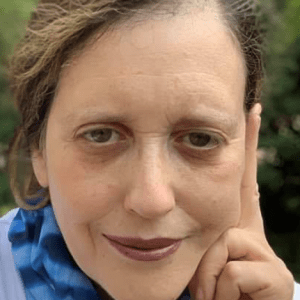
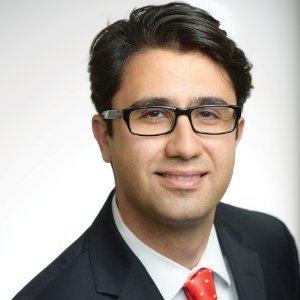
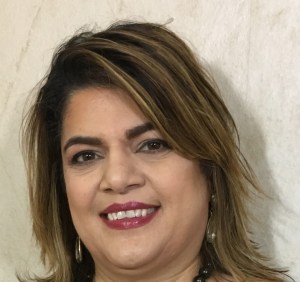
Thank you All, and especially thank you, AAIRIA, for organizing this event. We have gathered here today once more to extend the voice of the people of Iran and stop IRGC from spreading the propaganda of its death machine in the West. The ayatollahs of the Islamic regime vowed to “export their revolution” since 1979. One of the most effective ways to achieve this was to target the young minds in the West. That is why, in recent years, here in the United States as well as Europe, we have seen the presence of the Islamic regime and its proxies in Academia as well as at the policy-making level, whether it is through organizations such as NIAC or infiltrating influential academic roles such as the one help by Hossein Mousavian. Mousavian is a professor here at Princeton, one of the most prestigious universities in the country, and a Middle Eastern security and nuclear policy specialist. We all know his role as the Iranian ambassador in Germany in the 90 when the atrocious Mykonos terrorist attack happened, resulting in the death of several people. It was during the same time that Fereydoun Farrokhzad was murdered in his apartment in Germany following his involvement in producing an opposition radio program and, reportedly, receiving death threats. A murder that had hallmarks of the Iranian government’s operations all over it. Farrokhzad was not only a great Iranian Artist and activist, but as recent evidence has made it clear, he was also a member of the LGBTQ community. As a Shia theocracy, the Islamic Republic waged war on all minorities, especially those who challenged its gender and sexual apartheid: Iranian women and queer community. Queer community of Iran is one of the biggest victims of the Islamic regime in Iran. I urge you to look up the second chapter of the Islamic penal code of Iran, Especially codes 234 and 239, where you see same-sex relations in the Islamic Republic will result in inhumane punishments such as lashes and execution. The Islamic Republic is one of the few countries that still carries out executions under this law! This is why from the beginning of the Woman Life Freedom movement Iranian queer community, alongside all groups of Iranians, has demanded our rights to LIFE and FREEDOM. This is why we are appalled that a person like Hossein Mousavian holds such a position in an Ivy League teaching the next educated generation of Americans about the Middle East while sewing the seeds of Islamic Republic propaganda despite the school’s knowledge of his past. It is appalling that a person who loudly and proudly praised Qasem Soleimani, one of IRGC’s major commanders, was responsible for more murders, injuries, and kidnappings of Americans and American allies. Suppose today we see young Americans raising flags of Hizbollah and chanting in favor of the Islamic regime on Ivy League campuses. In that case, it is because of IRGC’s and its proxies infiltration into our Academic system. IRGC is no longer a threat to the People of Iran alone but a global threat. Mr Eisgruber, this is not the first time you have been made aware of Mr Mousavian’s dark past and his ties to the Islamic Republic. In January 2022, UANI detailed Mousavina’s background in a letter to Princeton University. Once again, we want to urge Princeton University and Mr. Eisgruber to terminate Mousavian immediately. Omid Iravanipour April 26, 2024
News Archives
The Speech of Parviz Dastmalchi
Dear friends, Ladies and gentlemen, Why are we gathered here today, and what do we want? Before I attempt to answer this question, let me briefly mention a few “things” so that it is better understood what we, the Justice Seekers, want: 1- Hojjat al-Islam Sadeq Khalkhali, the president of the Revolutionary Courts, known as the hanging judge, said the following regarding the methods of revolutionary Muslim struggle against dissidents: “One day, I was returning from the Imam Khomeini’s place… We came to the alley of Aman, and I saw two 15- and 16-year-old children secretly exchanging something. I took a Mojahedin newspaper from the boy’s bag, shot him right there, and told my companions that this is how these animals should be dealt with…” (Heftenameh Safar, 2008). This method and character of arbitrariness in killing dissidents have always dominated Iran during the entire period of 45 years of religious rule. 2- Shahriar Shafiq, the first victim of the Islamic Republic’s assassinations abroad, was an officer in the Iranian Navy. He was killed by two bullets in Paris on December 7, 1979. Khalkhali wrote in his memoirs, published in the ‘Islam’ newspaper that Shafiq had been found a ‘corrupter on earth’ and was sentenced to death by the verdict of the Islamic Revolution Court in absentia. 3- Ali Akbar Tabatabai was murdered on July 22, 1980, in Washington, USA. The killer, Davood Salahuddin/David Belfield, now lives in Tehran and is an advisor to the Islamic Revolutionary Guard Corps. He says: “9 days after Tabatabai’s assassination, I entered Tehran’s Mehrabad Airport, and a group of IRGC members welcomed me. They then took me out through the diplomatic hall, put me in a Cadillac, and drove me straight to a meeting with the then-foreign minister, Sadegh Qutbzadeh… It was 3 a.m., and we talked for a while. Then, the IRGC took me to a safe house, gave me a gun, and I was under their constant protection for nine months. Everyone was talking about my revolutionary action. At the end of 1980, I was taken to meet Ayatollah Khomeini at his home in Qom. In this 35-minute meeting, Khomeini told me: ‘The subject of that gentleman in Bethesda’ (Bethesda, Tabatabai’s residence) was for the pride of Islam and Muslims.” 4- On August 6, 1991, Shapour Bakhtiar and his secretary,, Soroush Katibah were murdered in Bakhtiar’s house. After the discovery of the crime, the French Prosecutor’s Office issued an arrest and prosecution warrants for nine people, who were then sentenced in court: • Fereydoun Boyerahmadi, agent of the Ministry of Information and Security • Mohammad Azadi, a high-ranking officer of the intelligence unit of the Islamic Revolutionary Guard Corps • Ali Vakili Rad, agent of the Ministry of Information and Security • Masoud Adeeb Sui, charged with preparing a passport and planning terror • Hossein Sheikh Attar for participating in murder preparations. For ten years, he was the director of the satellites department in the Ministry of Posts, Telegraphs, and Telephones • Masoud Hendi was charged with preparing visas for murderers and participating in terror preparations. From 1980 to 1984, he was the director of the JAM TV office in Paris. • Zain al-Abidin Sarhadhi, charged with procurement • Nasser Ghaseminejad, charged with procurement • Gholam Hossein Shourideh Shirazi was charged with procurement. 5- On July 13, 1989, Abdul Rahman Ghassemlou and two of his associates were killed during negotiations with agents of the Islamic regime of Iran. Two people were immediately arrested: Mohammad Jafari Sahraroudi and Haj Ghafoor Darjezi, alias Amir Mansour. After the assassination, Mr. Akbar Shirazi, the then ambassador of J.A., began working for their release and threatened the Austrian government. Subsequently, the murderers were released and sent to Tehran, and then an international arrest warrant was issued for them. Upon returning to Iran, Sahraroudi became the head of ceremonies of the Islamic Council, and Haj Ghafoor Darjezi, under the alias Mustafa Modbar, became the head of the Broadcasting Protection Organization of the IRI and manager of Saipa Club. 6- Mykonos Restaurant Assassination in Berlin: Four people were killed. Five people were arrested, and five others escaped. Arrested: • Kazem Darabi, a member of the Islamic Revolutionary Guard Corps and the Ministry of Information and Security, stated that after returning to Iran, he was offered governorships and ministries but declined and went to Lebanon. • Abbas Rayel and Youssef Amin, members of the Lebanese Hezbollah, were trained for terrorist attacks in Iran for six months in 1984/85. • And two others, one a member of Hezbollah in Lebanon and the other from the Shia Amal organization. • Some people managed to escape, including Abdul Rahman Bani Hashemi, who was the murderer of the Talebi pilot in Switzerland in 1990. After returning to Iran, he received a Mercedes Benz as a reward and shares in the profits of companies covered by Vawak. • An arrest warrant was issued for Ali Fallahian in the Berlin court. 7- Regarding serial murders inside Iran, including the brutal murders of Parvaneh and Dariush Forouhar, as well as Mohammad Mokhtari and Mohammad-Ja’far Pouyandeh: One of the people responsible for these killings, Mehrdad Alikhani, states in his interrogation sheets the names and personal and organizational characteristics, along with nicknames, of all those who participated in the murders, all of whom are employees of the Ministry of Information and Security of IRI. Alikhani says: “Mr. Dari Najafabadi, head of the Ministry of Information and Security of IRI, told me that the security department was not functioning properly… Insiders and non-insiders had turned against the regime… It was agreed that a group of secular individuals would be assassinated within the country. We were under the direct supervision of Mr. Dari Najafabadi, and based on the framework he set, a group of secular political activists were publicly assassinated, and we were to report to him at the end of each operation. During these murders, about 30 people were briefed on these assassinations, 26 of whom were ministers, and 4Continue reading “The Speech of Parviz Dastmalchi”
The speech of Roxana Levinson
I feel very grateful for this initiative, and especially for this invitation to be part, to offer my testimony and remind those who listen to us today that behind the reports, the judicial cases, politics, local and international interests, there are people. People like my aunt, Graciela Levinson, and my uncle, Jaime Plaksin, were murdered in the two terrorist attacks that Argentina suffered. There were 29 victims in the first attack in the Israeli Embassy, and 85 in the second, in AMIA. My aunt, Graciela Levinson, was smiling, sociable, and talkative. She was a dedicated mother and wife, a hard-working woman. A mother who dedicated enormous efforts to find a correct diagnosis for one of her daughters, and once she achieved it, and found a treatment, she set out to help other families in similar situation, to build a community. She was the axis that united the family, she organized spontaneous family gatherings, with whatever she found at hand. For me, my aunt Graciela is synonymous of a childhood with music from her guitar, costumes that she organized, games that she invented for all my cousins and great crossword puzzles that she shared only with me, as well as a passion for all word games. On March 17, 1992, Graciela was on the way out of work, at the Israeli Embassy. The explosion hit her completely and it took many days until her body could be rescued from under the rubble. I was pregnant, and expecting my second child. There was a month left until the birth, but that same day the process accelerated and became complicated and the following week doctors had to do a cesarean section. Two years later, on July 18, 1994, the second blow came and my family fell apart once again. This time it was my uncle Jaime, who was also at his workplace, at the headquarters of the Jewish community of Buenos Aires, AMIA, on a Monday morning. Jaime had been director of the AMIA Culture Department for decades. Jaime was a true teacher, in every sense of the word. He taught Jewish history, Kabbalah, Hebrew and had an immense ability to transmit, along with a tireless love for teaching. After his murder we learned of many people he had helped, in silence, without taking any credit. He was a man whose lectures and writings were followed by many people. But I remember him as the guy with the craziest ideas. Funny, unpredictable, the one with the shrill and contagious laughter, that had invented a special greeting for me, just as he invented affectionate nicknames, words and fantastic stories. On July 18, 1994, I was in my third pregnancy and was expecting my daughter. Since I was nearby, I arrived at the AMIA headquarters just a few minutes after the explosion. I walked along Pasteur Street where at that moment there was only a large gap in the ground, in the place were the AMIA building used to be. I remember the glass that fell from the buildings and the smell, that horrendous smell of burnt flesh that remained impregnated in my memory. I remember looking for my uncle Jaime among the living people, who were looking for other people. Suddenly I saw my two cousins get into an ambulance and leave and I looked for a phone. Someone offered me a cell phone and in that call they confirmed that Jaime had died. From that moment on, I no longer remember anything. Black. Some hours were erased from my memory with those strange ways that the human mind finds to react to too much pain. When you experience this firsthand, you also understand what these cruelties do to a family. And, as an example, I always mention what happened with my father, who was the one who remained strong after the attacks. 15 years after the attacks, when my father was sick and dying in a hospital in Israel, he suffered panic attacks every time a nurse raised the railing of his hospital bed and screamed desperately how was he going to get out from under the rubble. When the bomb will explode… And so it happens with each of the families of the victims, with all of us, who today look towards the sinister minds that planned all this cruelty. And we need to find the answers, we need justice, we demand justice. Because from that moment on, the shared happiness died with them, and the shared dreams, vanished into explosives and horror. And they deserve justice, because wherever they are in the universe, or from inside us, only after justice is done our dead loved ones will be able to rest in peace.
The speech of Golaleh Sharafkandi
The Islamic Regime of Iran sees terror as a legitimate tool for both internal and foreign purposes. Iran regime will continue to use measures like terrorism, espionage, assassination, hostage taking to safeguard its survival and to bring forth its objectives and ideology. Tehran terrorism targets not only Iranian activists and critical voices around the world but also American and Western individuals & installations. The rate of killing reduces when Iran regime is confronted by a tough policy and increases when the international community has a more accommodating approach. On September 17th 1992, Dr Sadegh Sharafkandi and his delegation were assassinated in a restaurant known as Mykonos in Berlin. He was in Berlin to attend the Congress of Socialist International which was held there during 14 to 17 of September 1992. On April 10th 1997, a verdict came from Berlin’s High Criminal Court with regard to Mykonos Case in which the Supreme Leader of Iran was announced as the direct commander who ordered the assassination, Iran president at the time, minister of foreign affair och minister of intelligence as the administrative agencies assigned to carry out the assassination in Berlin. During the Court which took almost 4 years, there was a witness known as witness C “Abolghasem Mesbahi” who revealed the structure and the process of any assassination carried out abroad and outside Iran. He was a member of intelligence service in Iran prior to leaving Iran. Under oath he mentioned that Iran embassy in Germany in Bonn was the main headquarter to organize and realize many of those assassinations carried out in Western Europe during the period when Hossein Mosawiyan was the ambassador of Iran in Germany. It seems very naive to believe that the ambassador was completely out of the picture when Iran regime assign the minister of foreign affair and when the Iran Embassy is the headquarter where so many gatherings and planning and accommodating the terror group is happening. It happened in the same building where Hossein Mosaviyan was the head of that office. The case known as Mykonos case is one the most significant Judiciary cases when the Judiciary system does not obey the Political system and keeps its independence under the comprehensive pressure coming from the German Politicians and authorities as well as the threats coming from Iran regime. The independence of Geman judiciary system could save the lives of so many under period 1997 to 2015 when Iran regime committed to avoid terror in Europe soil after the Berlin Verdict. Now it is time for Prinston University as a prestigious and well known and high status university in the Academic World, to defend its fame and its name; to take distance from those who have been involved in Iran regime plans for terrorism. Sadegh Sharafkandi was born 11th of January 1938 in Taragha and raised in Mahabad. He received scholarship from Sorbonne University in Paris and received his Ph.D. in Analytical Chemistry in 1976 and returned to Iran to work for its own people. He was a devoted lecturer and his students never forget him. In Paris got Sadegh familiar with Dr Ghassemou and got involved in Politics. After Iran revolution and when Khomeini announced Jihad Fatwa against Kurdistan, Sadegh had to leave Tehran since Islamic regime intended to arrest him. He was pursuing democracy and freedom of choice for his nation. He became Secreterary General of Democratic Party of Iranian Kurdistan when Dr. Ghassemlou was assassinated in Vienna by the Iranian agents at the negotiation table. The party members who worked with him says he was down to earth, great leader, very responsible, kind, loyal, trustworthy and known for his thinking out of the box. When my father lost his brother, I saw my father’s tears for the first time and I never forget him saying that I know that Sadegh innocent blood reveal its killers. Sadegh is now buried in Pere Lachaise Cemetery in Paris just 150 meters away from his idol Dr Ghassemlou. He devoted his life pursuing and struggling for freedom, democracy and pluralism. He never could see his children growing up.
The speech of Kajal (Fatah Abduli’s wife)
I am the wife of Fatah Abduli, a member of the Central Committee and Head of Foreign Affairs of the Kurdistan Democratic Party (KDP). On September 17, 1992, he, along with Dr. Sadegh Sharafkandi, Secretary-General of the Democratic Party; Mr. Homayoun Ardalan, Head of the German Committee of the Democratic Party; and Nuri Dehkardi, a Kurdish friend, were assassinated by terrorists from the Islamic Republic of Iran, joining the ranks of martyrs. The leaders of the Kurdistan Democratic Party (KDP) were in Berlin from September 13 to 16 to attend the International Congress of the Social Democratic Party. After the conference, on September 17, Fatah met with several Iranian opposition figures at the Mykonos restaurant, owned by an Iranian named Aziz Ghafari, to discuss Iran’s future. It was almost noon, and my little boy and I were in our apartment in Paris when the phone rang. The voice on the other end said, ‘A disaster has happened; they were all murdered.’ Thus, the tragedy began for me and my four-year-old son. That night, to put my son to sleep, I told him how his father would bring him a red car as a gift when he returned. My son had cherished these little gifts in his pristine childhood world and told me how he would leap into his father’s arms upon his return, urgently asking for his car. In his sweet childhood memories, his father and I traveled in that car, taking him to his favorite places and enjoying life as a happy family. However, his desire to spend time with his father was forever shattered after terrorists from the Islamic Republic of Iran assassinated his father. Nearly 31 years after the incident, I still don’t remember the rest of that phone conversation. All I know is that all my memories of my comrade, friend, boyfriend, fiancé, husband, and the father of my child passed like a shocking drama filled with unanswered questions. The biggest dilemma was telling my son that his dream of spending time with his father had, unfortunately, become an unreachable dream. Nearly a year after the tragedy, on October 28, 1993, the Mykonos court held its first hearing. On April 10, 1997, after three and a half years of investigation and 250 sessions, the court confirmed that the terrorist team was linked to the Islamic Republic of Iran. One of them, Kazem Darabi, was responsible for the assassination of Dr. Sadegh Sharafkandi, the Secretary-General of the Kurdistan Democratic Party, and his comrades. The court also identified the Iranian Supreme Leader, president, intelligence minister, and foreign minister as the masterminds behind the assassination and issued an international arrest warrant for Ali Falahian, the intelligence minister. According to the Mykonos court documents, Kazem Darabi, a member of the Union of Muslim Students in Europe—an organization affiliated with the Revolutionary Guards—was appointed by the Intelligence Minister Falahian to orchestrate the assassination. The Kurds of Iran, led by the Democratic Party since the 1979 revolution, had become a formidable political force opposed to the ruling Iranian regime. As a result, the Islamic Republic of Iran decided to physically eliminate the party’s leaders to quash the resistance entirely. The assassination of Dr. Qassemlo and his comrades on July 13, 1989, in Vienna, Austria, is directly linked to the Berlin assassination that the Mykonos Court adjudicated. The documents and reports from the Mykonos court reveal that the Iranian Embassy in Germany directly orchestrated the assassination of Kurdish leaders abroad with assistance from Iranian diplomats and terrorists like Sayed Hossein Mousavian. Mousavian, now a professor at Princeton University, must be held accountable for his role in these atrocious crimes. The perpetrators must face trial to ensure justice prevails and the rights of the victims’ families are upheld. سخنرانی همسر فتاح عبدولی من همسر فتاح عبدولی از اعضای کمیته مرکزی و مسئول امور خارجی حزب دمکرات کردستان هستم. وی در ۲۶ شهریور ۱۳۷۱ به همراه دکتر صادق شرفکندی دبیرکل حزب دمکرات، آقای همایون اردلان رئیس کمیته آلمان حزب دمکرات و آقای نوری دهکردی از دوستان کرد به دست تروریست های جمهوری اسلامی ایران ترور شده و به خیل شهدا پیوست. رهبران حزب دمکرات کردستان (KDP) برای شرکت در کنگره بین المللی حزب سوسیال دموکرات که از ۲۲ تا ۲۵ شهریور برگزار شد، در برلین بودند. پس از کنفرانس در ۲۶ شهریور، فتاح با چند تن از اپوزیسیون ایران در رستوران میکونوس متعلق به یک ایرانی به نام عزیز غفاری ملاقات کرد تا در مورد آینده ایران گفتگو کند. نزدیک ظهر بود و من و پسر کوچکم در آپارتمان خود در پاریس بودیم وقتی تلفن زنگ خورد و صدای آن طرف گفت: «خانه ما ویران شد. همه آنها شهید شدند.» مصیبت برای من و پسر چهارساله ام آغاز شد. آن شب برای خواباندن پسرم به او گفتم که پدرش وقتی برمی گردد یک ماشین قرمز برایش هدیه می آورد. پسرم از این هدایای کوچک در دنیای بینظیر کودکیاش لذت می برد و به من گفت که وقتی پدرش برمیگردد چگونه در آغوشش خواهد پرید و فوراً از او میخواهد ماشینش را به او بدهد. در خاطرات شیرین کودکی او، من و پدرش با آن ماشین رفت و آمد می کردیم و او را به مکان هایی که دوست داشت می بردیم و از زیبایی های زندگی به عنوان یک خانواده شاد لذت می بردیم. پس از ترور پدرش توسط تروریست های جمهوری اسلامی ایران، آرزوی او برای گذراندن وقت با پدرش برای همیشه به آرزویی دست نیافتنی تبدیل شد. با گذشت نزدیک به ۳۱ سال از این حادثه، من هنوز نمی دانم که بقیه مکالمه تلفنی چه بود. تنها چیزی که می دانم این است که تمام خاطراتم از رفیقم، دوستم، دوست پسرم، نامزدم، شوهرم و پدر فرزندم مثل یک درام تکان دهنده با چند سوال بی پاسخ آمد و رفت. سوال اصلی این بود که چگونه به پسرم بگویم که رویای گذراندن وقت با پدرش متاسفانه تبدیل به یک آرزوی دست نیافتنی شده است. نزدیک به یک سال پس از این فاجعه، در ۶ آبان ۱۳۷۲، دادگاه میکونوس اولین جلسه رسیدگی خود راContinue reading “The speech of Kajal (Fatah Abduli’s wife)”
The Opening Remarks of Lawdan Bazargan
Ladies and gentlemen, Welcome to this vital and unprecedented gathering hosted by the Alliance Against the Islamic Regime of Iran or AAIRIA. Today, we stand together at a pivotal moment that promises to shed light on the grave issues that affect not just individuals but the fabric of our global community. The extensive and relentless terrorist activities of the Islamic Regime of Iran have long threatened peace and security across the world. Today, we will expose these actions through the powerful and personal testimonies of those who have suffered directly under this regime’s brutality. I want to provide context on the tragic events that have brought us together today. In September 1992, a restaurant in Berlin named Mykonos was the site of a brutal attack that resulted in the assassination of four Iranian-Kurdish opposition leaders. This attack, widely attributed to agents of the Iranian government, highlighted the regime’s willingness to pursue its opponents beyond its borders and into the heart of Europe. On March 17, 1992, a suicide bomber attacked the Israeli Embassy in Buenos Aires, Argentina, killing 29 people and injuring over 200. This devastating attack was orchestrated by Hezbollah under the direction of the Iranian regime, marking it as one of the deadliest assaults on an Israeli diplomatic building. Two years later, in 1994, Buenos Aires was again the scene of terror when a bombing at the Argentine Israelite Mutual Association (AMIA) building killed 85 people and injured more than 300 hundreds. This attack is considered the deadliest terrorist attack in Argentina’s history and is also attributed to links with Iran and Hezbollah. Each of these events demonstrates the lethal reach and the relentless nature of the regime’s campaign against perceived enemies, both within and beyond its national borders. As we proceed, let us remind ourselves of the courage it takes for our speakers to stand before us. They are not just sharing stories—they are calling for action. They are the voices of the silenced, the echoes of resilience in the face of tyranny. First, we will hear from Kajal Haji Abbasi, a widow whose life was forever changed by the infamous Mykonos Restaurant attack in Berlin. Her late husband, Fattah Abdoli, was assassinated in this act of state-sponsored terrorism. Kajal’s perspective brings us closer to understanding these crimes’ profound personal loss and ongoing impact. Next, Golaleh Sharfkandi will take the stage. As the niece of Dr. Sadegh Sharfkanid, another victim of the Mykonos Restaurant assassination, Golaleh advocates tirelessly for justice and the remembrance of those whose lives were cruelly cut short. Following Golaleh, we are honored to have Parviz Dastmalchi with us, a survivor of the Mykonos Restaurant assassinations. His miraculous survival and subsequent activism are powerful testimonies to the resilience of those who oppose tyranny. We will also hear from Roxana Levinson, who will share her story. As the niece of both Graciela Levinson, killed in the 1992 Buenos Aires Israeli embassy bombing, and Jaime Plaksin, killed in the AMIA bombing, Roxana represents the extended global community affected by the regime’s oppressive actions. Lastly, we will hear from Fardad Farahzad, a renowned anchor for Iran Internationa TV. Fardad’s recent brush with danger—a foiled assassination plot planned in the UK—underscores the far-reaching threats posed by the regime against its critics. Their voices form a chorus calling for awareness, action, and change. Let us listen, reflect, and respond with the urgency this cause deserves. Thank you for being here today. Let us begin. سخنرانی لادن بازرگان خانم ها و آقایان، به این گردهمایی مهم و بی سابقه به میزبانی اتحاد علیه مهره های رژیم اسلامی ایران خوش آمدید. امروز، ما در یک بزنگاه تاریخی در کنار هم ایستادهایم که نویدبخش روشن شدن مسائل مهمی است که نه تنها بر افراد بلکه بر ساختار جامعه جهانی ما تأثیر میگذارد. فعالیت های تروریستی گسترده و بی امان رژیم اسلامی ایران از دیرباز صلح و امنیت را در سراسر جهان به خطر انداخته است. امروز ما این اقدامات تروریستی رژیم را از طریق شهادتهای قدرتمند و شخصی کسانی که مستقیماً از وحشیگری این رژیم آسیب دیدهاند، افشا خواهیم کرد. قبل از شروع برنامه باید زمینهای را در مورد رویدادهای غم انگیزی که امروز ما را گرد هم آورده است، ارائه دهم. در ۲۶ شهریور ۱۳۷۱، رستوران میکونوس در برلین محل حمله اقدام تروریستی وحشیانه ای بود که منجر به مرگ چهار تن از رهبران اپوزیسیون کرد ایرانی شد. این حمله که به دستور عالیترین مقامات رژیم ایران, و همکاری عوامل این حکومت طراحی و اجرا شده است، نشان دهنده تلاش رژیم برای ساکت کردن و ایجاد ترس و وحشت در مخالفان خود در خارج از مرزهای ایران و در قلب اروپا است. در ۱۱ اسفند ۱۳۷۱، یک بمب گذار انتحاری به سفارت اسرائیل در بوئنوس آیرس، آرژانتین حمله کرد، ۲۹ نفر را کشت و بیش از ۲۰۰ نفر را مجروح کرد. این حمله وحشیانه توسط حزب الله و تحت هدایت رژیم ایران سازماندهی شده و مرگبارترین حمله در تاریخ به یک ساختمان دیپلماتیک اسرائیل است. دو سال بعد، در ۲۷ تیرماه سال ۱۳۷۳، بوئنوس آیرس بار دیگر صحنه جنایات رژیم اسلامی و حزب الله بود، هنگامی که بمب گذاری در ساختمان انجمن مشترک یهودیان اسرائیل و آرژانتین (AMIA) منجر به کشته شدن ۸۵ نفر و زخمی شدن بیش از ۳۰۰ نفر شد. این حمله مرگبارترین حمله تروریستی در تاریخ آرژانتین محسوب می شود. هر یک از این رویدادها نشاندهنده گستردگی مرگبار و ماهیت کارزار تروریستی رژیم علیه مخالفانش در داخل و خارج از مرزهای ملی خود است. ما باید شجاعت سخنرانان مان را تحسین کنیم. آنها فقط داستان رنجی را که بر آنها رفته به اشتراک نمی گذارند – بلکه خواستار اقدامات عملی هستند. آآنان صدای خاموش شده ها هستند، پژواک مقاومت در برابر استبداد. در این برنامه ابتدا اصحبت های خانم کژال حاجی عباسی را می شنویم، زنی که حمله تروریستی به رستوران میکونوس در برلین زندگی اش را برای همیشه تغییر داد. همسر فقید وی فتاح عبدلی در این اقدام تروریسم دولتی ترور شد. دیدگاه کژال ما را به درک خسارت عمیق شخصی و تأثیر مداوم این جنایاتContinue reading “The Opening Remarks of Lawdan Bazargan”
AAIRIA Press Conference on the Global Terrorist Activities of the Islamic Regime of Iran
Event: AAIRIA Press Conference on the Global Terrorist Activities of the Islamic Regime of IranDate: Thursday, April 25, 2024Time: 12 to 2 PMLocation: Washington Marriott Capitol Hill: 175 L Street NE, Washington DC 20002RSVP: aairiaorg@gmail.com — Space is limited Press Release FOR IMMEDIATE RELEASE Washington, D.C. — In an unprecedented gathering, the Alliance Against the Islamic Regime of Iran (AAIRIA) is set to host a major press conference that will expose the extensive terrorist activities of the Islamic Regime of Iran. This rare and pivotal event promises to unveil groundbreaking insights into how the regime’s actions continue to jeopardize global security and peace. The conference will spotlight firsthand testimonies from victims and survivors directly impacted by the regime’s brutality, providing an intimate look into the human cost of its relentless pursuit of power. Join us for this crucial discourse as we uncover the untold stories that underscore the urgent need for international action. Speakers Media Opportunities Exclusive interviews with the speakers are available upon request. Media are invited to attend the conference, but seats are limited and available on a first-come, first-served basis. High-resolution photographs and a press briefing package will be provided at the event. Contact For more information, to schedule interviews, or to confirm your attendance, please contact Lawdan Bazargan, at lawdanbazargan@gmail.com
Alliance Against Islamic Regime of Iran Apologists (AAIRIA) Announces Protest Against Seyed Hossein Mousavian at Princeton University
[Los Angeles, April 2, 2024] – The Alliance Against Islamic Regime of Iran Apologists (AAIRIA) is set to stage a protest in front of Princeton University on Friday, April 26, from 12:30 to 2:30 pm, demanding the dismissal of Seyed Hossein Mousavian, amidst grave allegations against him. The campaign #FireMousavian, initiated by AAIRIA, underscores the demand for justice and accountability in the face of Mousavian’s complicity in terrorist activities. Seyed Hossein Mousavian, a figure with ties to the Iranian intelligence service and former diplomat, stands accused of involvement in heinous crimes across Europe, particularly in connection with atrocities committed against Iranian opposition members. These allegations have been substantiated by the testimony of Abolghasem Mesbahi (Witness C), a co-founder of the Iranian VEVAK secret service, during the “Mykonos” trial. In Mesbahi’s sworn testimony, he asserted, “Mousavian was involved in most of the crimes that took place in Europe.” Despite Mousavian’s attempts to distance himself from the verdict of the Mykonos Trial, it is irrefutable that the Iranian government, including its Supreme Leader, President, Foreign Minister, and Ministry of Intelligence, was implicated in the massacre. Mousavian’s attempts to evade accountability by disassociating himself from the Mykonos verdict are disingenuous. The verdict unequivocally condemns the Iranian government as a ‘criminal system,’ implicating individuals like Mousavian, who served as an ambassador of this regime, in its egregious acts of terror. During the eight years Mousavian served as Iran’s Ambassador in Germany, at least 23 Iranian political activists and dissidents were brutally shot or stabbed to death, further highlighting the gravity of the accusations against him. In light of these serious allegations, AAIRIA calls upon Princeton University to take decisive action by severing ties with Seyed Hossein Mousavian. The protest on April 26 aims to amplify the voices of those advocating for justice and to hold accountable individuals complicit in the perpetuation of violence and oppression. For media inquiries and further information, please contact Lawdan Bazargan at lawdanbazargan@gmail.com. About AAIRIA: The Alliance Against Islamic Regime of IranApologists (AAIRIA) is a grassroots organization dedicated to exposing and challenging individuals who defend and minimize the atrocities committed by Iran’s oppressive Islamic regime. Through advocacy, education, and activism, AAIRIA seeks to promote human rights, democracy, and freedom for the people of Iran.
“اتحاد علیه مهره های رژیم اسلامی ایران” تجمعی علیه حضور سید حسین موسویان در دانشگاه پرینستون در جلوی این دانشگاه برگزار می کند.
Iranians Campaign To Oust Princeton Professor For Alleged Terror Ties
Princeton University controversial academic, Hossein Mousavian, who is currently being investigated by the US Congress for his pro-Iran regime activities, now faces a grassroots Iranian-American campaign to secure his dismissal. The campaign Alliance Against Islamic Regime of Iran Apologists (AAIRIA) wrote in its Wednesday statement that “In the seven years Mousavian served as IRI’s ambassador in Germany, more than 23 Iranians were killed in terrorist attacks on European soil orchestrated by IRI…These heinous acts underscore the direct involvement of the IRI embassy in Bonn and Mousavian’s role in Iran’s state-sponsored terrorism and orchestrating violence against innocent civilians.” AAIRIA presented statements from a witness of the Mykonos restaurant assassination in Berlin in 1992 and victims of the Iranian regime’s persecution of dissidents. Parviz Dastamalchi, who witnessed the assassination, said Mr. Abolghasem Mesbahi, known as ‘Witness C,’ was one of the founders of the Ministry of Intelligence and Security of the Islamic Republic of Iran. In February 1997, Misbahi, under oath, testified, before the German court regarding the role of Seyed Hossein Mousavian in the assassination of Kurdish leaders at the Mykonos restaurant. Mesbahi stated, “Mr. Mousavian has participated in most of the assassinations committed in Europe.” His statements were widely reported in the German media during the trial.” Dastamalchi continued that “He could have pursued legal recourse, even claiming damages, but he chose not to. The question arises: why? Is it because Mesbahi likely possessed enough evidence and documents of support his claims? It appears that Mesbahi’s testimony was accurate, and the German government’s decision not to pursue a legal case against Mousavian was driven by political considerations rather than the absence of criminal culpability.” Iran International obtained a 1997 archived Berlin newspaper Tagesspiegel article that states Mesbahi told the court during the Mykonos trial that “Mousavian participated in most of the crimes that took place in Europe.” The German security services said Meshbai was a “credible” witness, according to the article. The crimes referenced that Mousavian allegedly participated in were the assassinations of Iranian dissidents. According to AAIRIA, “Mousavian’s involvement in the assassination of Iranian dissidents became apparent during testimonies of witnesses in the German court. His role in orchestrating violence against innocent civilians is a testament to his complicity in Iran’s nefarious activities, further highlighting the dangers of his continued presence at Princeton University.” Golaleh Sharafkandi, the niece of Dr. Sadegh Sharafkandi, one of the victims of the Mykonos assassination, said “One of the most brazen and public assassinations carried out by Hezbollah at the behest of its master, Islamic Regime of Iran, occurred in 1992, when IRI operatives killed my uncle, Dr. Sadegh Sharafkandi,” a Kurdish opposition leader. Sharafkandi, a former political prisoner, who lives in Sweden, said, “The Mykonos restaurant assassination was carried out by the Iranian regime when Seyed Hossein Mousavian was Iran’s ambassador to Germany. We, especially in the academic world, need to be clear that using diplomatic immunity to cover up or facilitate the Islamic regime of Iran’s terrorist actions on international soil is unacceptable and not condoned by academia.” Dr. Narges Eskandari, the mayor of Frankfurt in Germany, and a former Iranian political prisoner, said “Seyed Hossein Mousavian, Iran’s ambassador at the time, is considered one of the key masterminds behind the attack. He had prior knowledge of the assassination attempt, and evidence implicates the Iranian embassy in the attack. To date, there have been no consequences for Seyed Hossein Mousavian. Since 2009, he has been teaching in the United States and currently is a Middle East Security and Nuclear Policy Specialist in the Program on Science and Global Security, a program in Princeton’s School of Public and International Affairs.” Dr. Majid Mohammadi, who conducted his Post-Doctorate 2007-2008 work at Princeton University, said “During his tenure as a member of Resalat Daily in Iran (in the second half of the 1980s), Mousavian played a key role in legitimizing, promoting, and normalizing terrorism. Resalat published numerous pieces praising Iranians and Arabs involved in assassinating officials such as prime ministers and presidents. As an alumnus of Princeton University, I believe the recruitment of Mousavian tarnished Princeton’s reputation and he should be dismissed immediately.” Mohammadi continued “I urge Princeton to release all correspondence and contracts associated with Mousavian leading up to his employment, as well as all financial information regarding donors to his program and any travel expenses to Iran since joining Princeton that were covered by the university or its donors.” Lawdan Bazargan, the lead organizer of the AAIRIA campaign and a former political prisoner in Iran, said, “It’s astounding that Princeton’s Program on Science and Global Security, with the noble mission of advancing national and international policies for a safer and more peaceful world, has chosen to associate itself with Seyed Hossein Mousavian, who stands accused of involvement in terrorist attacks in Europe. By retaining Mousavian, Princeton jeopardizes its own reputation and undermines its commitment to human rights and global security.” Bazargan, who lives in California, is the sister of Bijan Bazargan ,who was murdered by the regime in 1988 for his left-wing politics, went on to say that “Mousavian’s defense of Iran’s nuclear ambitions further highlights the ethical and moral dilemma posed by his presence at Princeton. By firing Mousavian, Princeton can reaffirm its commitment to upholding human rights, fostering global security, and preserving its reputation as a bastion of academic excellence and integrity.” Bazargan and the members of AAIRIA launched a petition campaign to oust Mousavaian. The petition has secured over 1,000 signatures since last week. Dr. Farhad Keyvan, a physicist and founder of Netservia LLC, said “Despite his academic credentials and prestigious position, Mousavian’s work seems aimed at diverting public attention from the dangerously aggressive nuclear activities conducted by the Iranian regime. His writings and speeches downplay or justify the regime’s nuclear ambitions, influencing public opinion in the US and the West. Mousavian must be fired for spreading Iranian regime propaganda and falsehoods, rather than fostering genuine academic discourse and integrity.” Mina Ahadi, a popular political and women’s rights activist in Germany, said “Expelling Seyed Hossein Mousavian from Princeton University is crucial in thisContinue reading “Iranians Campaign To Oust Princeton Professor For Alleged Terror Ties”