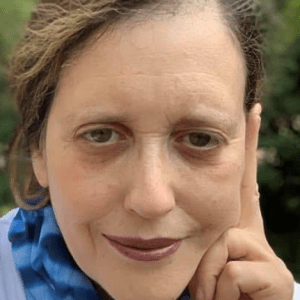
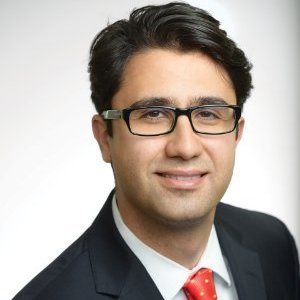
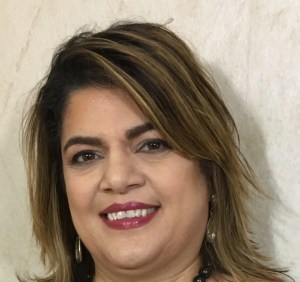
by Len Khodorkovsky and Lawdan Bazargan February 23, 2023 01:00 AM The Islamic Republic of Iran has carried out terrorism worldwide since its founding in 1979, frequently using its “diplomats” and embassy personnel to commit, then cover up, these attacks. Just a few weeks ago, the FBI charged three assassins with ties to Tehran who targeted Masih Alinejad, an American citizen and critic of the Islamic Republic, in her own neighborhood in Brooklyn. A new Amnesty International report cites evidence against a number of Iranian officials, including Mohammad Jafar Mahallati, Iran’s former United Nations ambassador. Mahallati is accused by Amnesty of crimes against humanity. According to the human rights group, “Mahallati played a particularly active role in seeking to undermine credible reports by the then U.N. Special Rapporteur on the situation of human rights in Iran, and Amnesty International, and to weaken the U.N.’s response. For instance, he undertook efforts in late November and early December 1988 to block the adoption of a resolution by the U.N. General Assembly that expressed concern about the mass executions.” Yet incredibly, Mahallati is now the Nancy Schrom Dye chairman of Middle East and North African Studies at Oberlin College in Ohio. Not only is this “professor of peace” implicated in the killing of thousands of Iranians, but he also called for the destruction of Israel and has a long record of antisemitic statements. During a speech at the U.N. in 1989, Mahallati called Israel “an Islamic territory, an Islamic heritage,” and “an Islamic point of identity.” He concluded, “Its occupation by Zionist usurpers is a transgression against all Muslims of the world, and its liberation is therefore a great religious obligation and commitment.” Mahallati also complained about condemnations of Iran’s persecution of the Baha’i community. He attempted to justify the revocation of Baha’i Iranians’ citizenship, as well as their imprisonment, torture, and execution. He endorsed the fatwa against Salman Rushdie and mocked the killing of American soldiers. During a recent interview with Alinejad, Mahallati refused to acknowledge his well-documented connection to the Iranian regime, despite calling himself its loyal servant in a letter to the head of Iran’s parliament. Family members of the Islamic Republic’s victims, human rights groups, Soviet dissident Natan Sharansky, and Nobel Peace laureates have called for Mahallati’s termination. To date, Oberlin’s current president, Carmen Ambar, has chosen to ignore the school’s “enduring commitment to a sustainable and just society” and hypocritically cover for Mahallati’s crimes. Oberlin’s board remains silent. Recognizing the need for transparency, Reps. Virginia Foxx (R-NC) and Jim Banks (R-IN) wrote a letter demanding details of Mahallati’s employment. Their letter questioned Oberlin College’s reporting of foreign funding and whether the regime had a role in Mahallati’s hiring. But Mahallati is not the only former Iranian regime official to have been allowed to reinvent himself by an American university. Princeton University professor Seyed Hossein Mousavian made news after getting caught on camera giggling about Iranian threats against the family of Brian Hook, the former U.S. special representative for Iran. During his stint as the Islamic Republic of Iran’s ambassador to Germany in the 1990s, Mousavian was involved in political assassinations and plots. As a result of his activity, the German government demanded his removal. Eventually, four Iranian “diplomats” were expelled, and Mousavian left shortly thereafter, escaping prosecution and landing comfortably at Princeton. American universities are a big target for hostile nations to advance radical religious and political beliefs. U.S. schools have received at least $12 billion in foreign funds from 2013 to 2019, with little to no transparency. The Islamic Republic of Iran is one of the major donors, giving millions to Columbia, Harvard, Princeton, and other schools. Former Rep. Dan Donovan (R-NY) described such funding as an attempt to “subvert American academic institutions.” In 2019, the Clarion Project discovered that the Alavi Foundation, serving as a front for the Iranian regime, has exerted much influence over mosques and schools in the United States. Interestingly, Mohammad Jafar Mahallati’s brother, Mohammad Hossein Mahallati, served as the Alavi Foundation’s director. According to Amnesty International, “direct perpetrators of the prison massacres are not the only people who must be subject to criminal investigations … all former and current officials who have contributed to the climate of secrecy and denial facilitating the continued enforced disappearances of thousands of victims must also be held to account.” Neither Mahallati nor Mousavian has been held accountable. Indeed, American universities continue to reward them. That’s not only painful for the families of the victims, but it inflicts reputational damage on U.S. universities and poses a serious national security threat. Len Khodorkovsky is a former deputy assistant secretary of state and senior adviser to the U.S. representative for Iran. Lawdan Bazargan is an Iranian-American human rights activist and the sister of one of the victims of the 1988 massacre, Bijan Bazargan. Please Click Here for the article.
News Archives
گزارش عفو بینالملل حاکی از شواهد جدیدی از دست داشتن محلاتی در لاپوشانی قتلهای سیاسی گروهی ایران در سال ۱۳۶۷ است
– در واکنش به اطلاعات جدید عفو بینالملل، سازمان «اتحاد علیه حامیان رژیم اسلامی ایران» بیانیهای منتشر کرده و بر اتهامات خود علیه محلاتی تاکید کرده, اعلام کردند: «با توجه به این شواهد جدید، با اطمینان به این نتیجه میرسیم که آقای محلاتی از اعدامها آگاه بوده و در موقعیتی قرار داشته که مانع از وقوع آنها شود.» دوشنبه ۱ اسفند ۱۴۰۱ برابر با ۲۰ فوریه ۲۰۲۳ آوا میلر (اوبرلین ریویو) – روز ۱۷ بهمن، سازمان عفو بینالملل گزارشی ۱۷صفحهای منتشر کرد که در آن اقدامات استاد دینشناسی، محمد جعفر محلاتی، به عنوان سفیر سابق جمهوری اسلامی در سازمان ملل متحد محکوم شده است. در این گزارش آمده است که محلاتی نقش فعالی در سرپوشگذاری بر کشتار جمعی زندانیان سیاسی در ایران در سال ۱۳۶۷ داشته است. در این گزارش، که اخیرا منتشر شده، ادعا شده که محلاتی تلاش میکرده با دادن اطلاعات گمراهکننده به سازمان ملل و تهمت زدن به قربانیان اعدامها، از تحقیقات این سازمان در مورد کشتار سال ۱۳۶۷، که تا سال ۱۳۶۸ ادامه داشته است، جلوگیری کند. این گزارش ادعا میکند که محلاتی «در آذر و دی ۱۳۶۷ برای جلوگیری از تصویب قطعنامهای توسط مجمع عمومی سازمان ملل، که در مورد اعدامهای دستجمعی ابراز نگرانی می کرد، تلاش کرده است.» سایر شواهد ذکر شده در این گزارش حاکی از آن است که محلاتی اعدامها را بهعنوان «مرگ در میدان جنگ» جا زده است. در سال ۱۳۶۸، پس از ارائه شواهد قابل توجهی از اعدام های فراقانونی خرداد تا شهریور ۱۳۶۷به مقامات ایرانی، محلاتی همه گزارشهای مربوط به اعدامهای دستجمعی را رد کرد. در آذر ۱۳۶۷، سازمان ملل با تصویب قطعنامهای «نگرانی شدید» خود را درباره هدف قرار دادن زندانیان سیاسی توسط جمهوری اسلامی ابراز کرد. طبق گزارش رسانههای بینالمللی، محلاتی تلاش کرده است که این قطعنامه «لغو» یا «تضعیف» شود. محلاتی در بهمن ۱۳۶۷ نامهای از طرف نمایندگی دائم جمهوری اسلامی ایران به سازمان ملل متحد در نیویورک نوشت و مدعی شد که افراد کشته شده «ارتباطات سازمانی مستقیم با… یک شبکه جاسوسی خیانتکار» داشتهاند. از مهر ۱۳۹۹، اعضای خانواده کشتهشدگان خواستار اخراج محلاتی و عذرخواهی دانشکده بابت استخدام او شدهاند. در سال ۱۴۰۰، کالج اوبرلین یک شخص ثالث ناشناس را برای بررسی اتهامات علیه محلاتی استخدام کرد. بر اساس یافتههای تحقیقات، دانشکده به این نتیجه رسید که هیچ مدرکی برای تأیید این اتهامات علیه محلاتی وجود ندارد. اتحاد علیه حامیان رژیم اسلامی ایران در مراسم پایان تحصیل دانشجویان کالج اوبرلین در خرداد ۱۴۰۱ علیه محلاتی دست به اعتراض زدند. در شهریور ۱۴۰۱، نمایندگان جمهوریخواه اعلام کردند که تحقیقات خود علیه کالج اوبرلین را آغاز خواهند کرد. نمایندگان کنگره جیم بنکس از ایالت ایندیانا و ویرجینیا فاکس از کارولینای شمالی شواهدی در مورد ارتباط محلاتی با سپهر سیاست، یک روزنامه ایرانی که متهم به حمایت از گروه شبه نظامی اسلامگرای لبنانی حزب الله است، منتشر کردند. عفو بینالملل شواهدی ارائه کرده که نشان میدهد محلاتی همچنان اطلاع خود از اعدامهای دستجمعی را انکار میکند. محلاتی در مصاحبهای با مسیح علینژاد در سال ۱۴۰۱ گفت: «من مطلقاً هیچ اطلاعاتی نداشتم و در دفتر نماینده دائم ایران در سازمان ملل در نیویورک، یک تلکس یا یک سند وجود ندارد که نشان دهد اطلاعاتی در این باره به سفیر داده شده است.» محلاتی در مدت تصدی پست سفیر جمهوری اسلامی، نماینده آیتالله خمینی، بنیانگذار جمهوری اسلامی ایران بود. کامرون امین، استاد مطالعات خاورمیانه در دانشگاه میشیگان- دیربورن که در مورد ایران و تاریخ ایران تحقیق میکند، به خشونت رژیمی که محلاتی نماینده آن بود اشاره کرده, میگوید: «آیتالله خمینی تصمیمهای بیرحمانهای گرفت، وی بسیاری از اعضای سابقاً مورد اعتماد حلقه درونی خود را پاکسازی کرد، قدرت قانونی مقامی را که در اختیار داشت تشدید کرد، او جنگ ایران و عراق را پایان داد زیرا این جنگ منابعی را که دولت میتوانست برای سرکوب بیشتر مخالفان استفاده کند، از بین میبرد. جانشین خمینی، آیتالله خامنهای، با ترور مخالفان برجسته در ایران و خارج از کشور، این میراث خونین را ادامه داد. قتل عام سال ۱۳۶۷ اشتباه نظام جمهوری اسلامی نبود، بلکه یکی از ویژگیهای آن بود. » در واکنش به اطلاعات جدید عفو بینالملل، سازمان «اتحاد علیه حامیان رژیم اسلامی ایران» بیانیهای منتشر کرده و بر اتهامات خود علیه محلاتی تاکید کرده, اعلام کردند: «با توجه به این شواهد جدید، با اطمینان به این نتیجه میرسیم که آقای محلاتی از اعدامها آگاه بوده و در موقعیتی قرار داشته که مانع از وقوع آنها شود. ما او را به دلیل عدم استفاده از موقعیت خود در سازمان ملل برای جلب توجه عمومی به رژیم اسلامی یا جنایات جمهوری اسلامی علیه بشریت، جلوگیری از اعدامهای بیشتر و گمراه کردن سازمان ملل متحد، سهلانگار و شریک جرم میدانیم… همچنین کالج اوبرلین را به دلیل دفاع مستمر از یک ناقض حقوق بشر و عدم ملاقات با خانواده قربانیان، بررسی مدارک و گوش سپردن به داستانهای آنها محکوم میکنیم.» *منبع: اوبرلین ریویو*نویسنده: آوا میلر*ترجمه و تنظیم: لادن بازرگان Please Click Here for the article.
Pro-Iran regime prof. in US covered up mass murder – human rights report
Mohammad Jafar Mahallati, who teaches Islam at the Ohio-based Oberlin College, was the Islamic Republic of Iran’s UN ambassador from 1987-1989. By BENJAMIN WEINTHAL Published: FEBRUARY 19, 2023 22:02 The US-based organization the Alliance Against Islamic Regime of Iran Apologists provided damning new evidence to Amnesty International for its new report on Oberlin College Professor of Religion Mohammad Jafar Mahallati’s alleged role in the cover-up of the massacre of at least 5,000 Iranian dissidents in 1988. Amnesty’s report titled “Involvement of Iran’s former diplomats in covering up the 1988 prions massacres” was released on February 6. According to the findings of Amnesty’s 17-page report, ”Iran’s then Permanent Representative to the UN in New York, Mohammad Jafar Mahallati, played a particularly active role in seeking to undermine credible reports by the then UN Special Rapporteur on the situation of human rights in Iran, and Amnesty International, and to weaken the UN’s response. For instance, he undertook efforts in late November and early December 1988 to block the adoption of a resolution by the UN General Assembly that expressed concern about the mass executions.” ”Iran’s then Permanent Representative to the UN in New York, Mohammad Jafar Mahallati, played a particularly active role in seeking to undermine credible reports by the then UN Special Rapporteur on the situation of human rights in Iran, and Amnesty International, and to weaken the UN’s response. For instance, he undertook efforts in late November and early December 1988 to block the adoption of a resolution by the UN General Assembly that expressed concern about the mass executions.” Amnesty International Mahallati, who teaches Islam at the Ohio-based Oberlin College, was the Islamic Republic of Iran’s UN ambassador from 1987-1989. The story of Oberlin College’s Mahallati and his denial of mass executions Despite Amnesty International’s urgent warnings sent to Iran’s regime at the time and media coverage about the massacre, “Mahallati denied all reports of mass executions” during 1988, wrote the human rights group. “Amnesty International notes with gratitude that it obtained some of the media articles cited in this annex from the Alliance Against Islamic Regime of Iran Apologists, a group of former prisoners, victims’ relatives and human rights activists who launched a public campaign in October 2020 to seek accountability for Iranian officials who denied or distorted the truth about the mass executions of 1988,” wrote the authors of the Amnesty report. Hamid Charkhkar, a professor of biomedical engineering at Case Western Reserve University in Cleveland and a member of the Alliance Against Islamic Regime of Iran Apologists (AAIRIA), uncovered a crucial Financial Times article from Aug. 17, 1988, that stated, “Iran has resorted to mass executions of political prisoners.” The article added, “systematic executions of leftist prisoners, both Marxist and Islamic … greatly accelerated… particularly since the incursion into Western Iran by Iraqi-backed Islamic leftists (People’s Mujahedin).” Amnesty and AAIRIA argue that Mahallati should have had knowledge about the mass executions due to the Financial Times article, additional media reports at the time, and Amnesty’s urgent warning notices sent to Iran’s regime in 1988. AAIRIA also revealed the self-immolation of Iranian dissident Mehrdad Imen protesting the 1988 massacre in front of the UN and obtained pictures of demonstrators in front of the UN seeking to draw attention to the mass murders unfolding in Iranian prisons in 1988. The Iranian’s regime 1988 execution spree targeted Iranians affiliated with the Mojahedin-e Khalq Organization ( MEK), the left-wing parties Tudeh Party and Fadaiyan Khalq Organization (FKO), as well as the Kurdish organizations (Komala and the Kurdish Democratic Party of Iran). “In light of this new evidence, we conclude with certainty that Mr. Mahallati was aware of the executions and was in a position to stop them from happening,” AAIRIA said in statement, adding that “We find him negligent and complicit for failing to use his position at the UN to draw public attention to the Islamic Regime or Iran’s crimes against humanity, prevent further executions, and mislead the UN… We also condemn the college for continually defending a known human rights abuser and failing to meet with the victims’ families, look at their evidence and listen to their stories.” The refusal by Oberlin College’s president Ambar to meet with the victims’ families and take action against Mahallati has caused outrage among Oberlin alumni and students. Rebecca McKelvy, who graduated in 2015, told The Jerusalem Post that “As an Oberlin alumna I find the hypocrisy exhibited by the college to be a disgusting embarrassment. Oberlin has long purported to fight for justice, but apparently that passion to protect human rights has its limitations. Now the college continues to employ Prof. Mahallati, a man who knowingly covered up heinous war crimes, even now that Amnesty has published the evidence of his lies and atrocities.” “As an Oberlin alumna I find the hypocrisy exhibited by the college to be a disgusting embarrassment. Oberlin has long purported to fight for justice, but apparently that passion to protect human rights has its limitations. Now the college continues to employ Prof. Mahallati, a man who knowingly covered up heinous war crimes, even now that Amnesty has published the evidence of his lies and atrocities.” Rebecca McKelvy She added that “I have received no word back from President [Carmen Twillie] Ambar or the board of trustees, all who continue to protect him without an ounce of shame. The fact that someone as evil as Mahallati sits in a comfy Oberlin office on payroll is a disgrace to the college and stains the reputation of anyone associated with the now cowardly, hypocritical institution.“ Jerold S. Auerbach, a professor Emeritus of History at Wellesley College, told the Post that Mahallati “degrades Oberlin—and himself.” Auerbach graduated from Oberlin College in 1957 and is an internationally distinguished historian. The lead organizer of AAIRIA’s campaign, Lawdan Bazargan, is an Iranian-American human rights activist whose 29-year-old brother, Bijan, was executed by the regime in 1988 for his leftist views. Mahallati lashed out at Bazargan in a Voice of America interview in 2022 for her efforts to dislodge him from his academic position. The clerical regimeContinue reading “Pro-Iran regime prof. in US covered up mass murder – human rights report”
Amnesty International Report Alleges New Evidence in Mahallati Involvement in Cover Up of 1988 Iran Mass Political Killings
Ava Miller, Senior Staff Writer|February 17, 2023 On Feb. 6, Amnesty International released a 17-page report condemning Professor of Religion Mohammad Jafar Mahallati’s actions as Iran’s former ambassador to the United Nations. The report alleges that Mahallati played an active role in covering up the 1988 mass killings of political prisoners in Iran. The recently released report claims that Mahallati worked to feed the United Nations misleading information in an effort to obstruct their investigation into the 1988 killings, which he continued to fend off in 1989 by slandering the victims of the executions. It alleges that Mahallati “undertook efforts in late November and early December 1988 to block the adoption of a resolution by the U.N. General Assembly that expressed concern about the mass executions.” Additional evidence cited in the report indicates that Mahallati misrepresented the executions as “battlefield killings.” In 1989, after substantial evidence of the July–September 1988 extrajudicial executions had been submitted to Iranian authorities, Mahallati denied all reports of the mass executions. In December 1988, the U.N. adopted a resolution expressing “grave concern” about Iran’s targeting of political prisoners. According to international media reports, Mahallati tried to have the resolution “dropped” or “watered down.” In February 1989, Mahallati wrote a letter from the Permanent Mission of the Islamic Republic of Iran to the U.N. in New York claiming the individuals killed had “direct organizational contacts with … a treacherous espionage network.” Since October 2020, family members of those killed have demanded the firing of Mahallati and an apology from the College for hiring him. In 2021, Oberlin College hired an unnamed third party to investigate allegations against Mahallati. Based on the findings of the investigation, the College concluded that there was no evidence to corroborate these accusations against Mahallati. The Alliance Against Islamic Regime of Iran Apologists protested Mahallati at the 2022 Commencement. In September 2022, Republican representatives announced their own investigation. Reps. Jim Banks of Indiana and Virginia Foxx of North Carolina released evidence about Mahallati’s involvement with Sepehr-e-Siasat, an Iranian newspaper accused of praising Lebanese Islamist militant group Hezbollah. Amnesty International provided evidence that Mahallati continues to deny he was aware of the mass executions. In a 2022 interview with journalist Masih Alinejad, Mahallati said: “I had absolutely no information and in the office of Iran’s Permanent Representative to the U.N. in New York, there is not one telex or one document [indicating] that any information was given to the ambassador.” During his tenure as ambassador for Iran, Mahallati represented Ayatollah Khomeini, founder of the Islamic Republic of Iran. Camron Amin, a professor of Middle East studies at the University of Michigan-Dearborn who researches Iran and Persian history, noted the violence of the regime Mahallati represented. “Ayatollah Khomeini made a number of ruthless decisions,” Amin wrote in an email to the Review. “He purged many formerly trusted members of his inner circle, he tightened up the legal power invested in the office he held, and he ended a war that was draining resources the state could use to further suppress dissent. Khomeini’s successor, Ayatollah Khameneh’i, built on this bloody legacy with assassinations of prominent dissidents in Iran and overseas. 1988 was not a bug of the Islamic Republican system, but a feature.” In response to Amnesty International’s new information, the Alliance Against Islamic Regime of Iran Apologists released a statement upholding their convictions against Mahallati. “In light of this new evidence, we conclude with certainty that Mr. Mahallati was aware of the executions and was in a position to stop them from happening,” the report reads. “We find him negligent and complicit for failing to use his position at the U.N. to draw public attention to the Islamic Regime or Iran’s crimes against humanity, prevent further executions, and mislead the U.N. … We also condemn the college for continually defending a known human rights abuser and failing to meet with the victims’ families, look at their evidence and listen to their stories.” Please Click Here for the article.
یک گروه حقوق بشری استاد کالج اوبرلین را به داشتن نقش در لاپوشانی قتل عام ایرانیان متهم کرد
– کالج اوبرلین پس از تحقیقات داخلی در سال ۲۰۲۱، اتهامات وارده به محلاتی را رد کرده است. پنج شنبه ۲۷ بهمن ۱۴۰۱ برابر با ۱۶ فوریه ۲۰۲۳ بنجامین وینتال (فاکس نیوز) – یک سازمان ایرانی آمریکایی مستقر در آمریکا شواهد جدیدی علیه محمد جعفر محلاتی، «استاد صلح» کالج اوبرلین، یافته است که عفو بینالملل را بر آن داشته تا گزارشی در مورد اتهام لاپوشانی این استاد دانشکده هنرهای لیبرال بر قتل عام حداقل ۵۰۰۰ دگراندیش ایرانی در سال ۱۳۶۷ منتشر کند. محلاتی بالاترین مقام اسبق جمهوری اسلامی که در ایالات متحده زندگی میکند، در کالج اوبرلین در نزدیکی کلیولند، اوهایو، به تدریس اسلام مشغول است. سازمان عفو بینالملل در اوایل ماه جاری گزارشی ۱۷ صفحهای درباره سرپوشگذاری بر جنایت علیه بشریت توسط محلاتی، همتای او در سازمان ملل در ژنو و دیگر دیپلماتها منتشر کرد. دیانا الطحاوی معاون مدیر عفو بینالملل در خاورمیانه و شمال آفریقا درباره کشتار سال ۱۳۶۷ و با اشاره به سرکوب اخیر اعتراضات در ایران گفت: «اینگونه جنایات مختص گذشته نیستند.» در این گزارش عفو بینالملل با عنوان «مشارکت دیپلماتهای سابق ایران در سرپوشگذاری بر قتل عام زندانیان سال ۱۳۶۷ » آمده است که طی تحقیقات دقیق سازمان ملل و سازمان عفو بینالملل و درخواست آنها از مقامات ایرانی برای انجام تحقیقات، در گزارش جدید سازمان عفو بینالملل ذکر شده که: «محلاتی به پیشبرد استراتژی حکومت ایران مبنی بر انکار و تحریف جنایات ادامه داده است». «محمدجعفر محلاتی به عنوان نماینده دائم ایران در سازمان ملل در نیویورک در آن دوران، نقش فعالی در بیاساس جلوه دادن گزارشات معتبر گزارشگر ویژه سازمان ملل و سازمان عفو بین الملل در مورد وضعیت حقوق بشر در ایران و تضعیف واکنش سازمان ملل ایفا کرده است. عفو بینالملل، سازمان حقوق بشری مستقر در لندن، اعلام کرده است که در آبان ماه سال ۱۳۶۷، طی جلسهای با گزارشگر سازمان ملل، محلاتی گزارشهای مربوط به اعدامهای دستهجمعی زندانیان را رد و به دروغ ادعا کرده که «در واقع بسیاری از این قتلها در میدان جنگ رخ داده است.» لادن بازرگان سازماندهنده اصلی اتحاد علیه حامیان رژیم اسلامی ایران (AAIRIA)، که گروهش مقالات و شواهد جدیدی از کشتار سال ۱۳۶۷ کشف و عفو بینالملل از این شواهد در تحقیقاتش استفاده کرده است، به فاکس نیوز دیجیتال گفت: «با توجه به این شواهد جدید، با قطعیت به این نتیجه میرسیم که آقای محلاتی از اعدامها مطلع و در موقعیتی بوده که مانع از وقوع آنها شود.» بازرگان افزود: «ما محلاتی را به دلیل عدم استفاده از موقعیت خود در سازمان ملل برای جلب توجه افکار عمومی به رژیم اسلامی و جنایات آن علیه بشریت، جلوگیری از اعدامهای بیشتر و گمراه کردن سازمان ملل، همدست این جنایات و مرتکب سهلانگاری میدانیم. گروه اتحاد علیه حامیان رژیم اسلامی ایران از کالج اوبرلین خواسته تا هرچه زودتر محلاتی را ازاین کالج اخراج کند. جمهوری اسلامی در سال ۱۳۶۷، برادر ۲۹ ساله لادن، بیژن بازرگان را، به دلیل دیدگاههای چپگرایانهاش اعدام کرد. رژیم ایران لادن را نیز به دلیل فعالیتهای سیاسی مخالف نظام به حبس در زندان بدنام اوین تهران محکوم کرد. حمید چرخکار، استاد مهندسی زیست پزشکی دانشگاه کیس وسترن رزرو در کلیولند و عضو انجمن اتحاد علیه حامیان رژیم اسلامی ایران، یک مقاله بسیار مهم از فایننشال تایمز به تاریخ ۲۶ مرداد ۱۳۶۷ یافته که در آن نوشته شده: «ایران به اعدام دستجمعی زندانیان سیاسی متوسل شده است.» در ادامه این مقاله آمده است: «اعدامهای سیستماتیک زندانیان چپ، اعم از مارکسیست و اسلامگرا… به ویژه پس از هجوم گروههای چپ اسلامگرای مورد حمایت عراق (مجاهدین خلق) به غرب ایران، به شدت تسریع شده است.» عفو بینالملل و دگراندیشان ایرانی استدلال میکنند که با توجه به مقاله فایننشال تایمز و سایر گزارشهای رسانهها، هشدارهای فوری عفو بینالملل در آن زمان، و خودسوزی مهرداد ایمن، دگراندیش ایرانی، در اعتراض به کشتار ۱۳۶۷ مقابل سازمان ملل، محلاتی حتماً از این قتل عام مطلع بوده است. عفو بینالملل در بیانیه خود تأکید کرده است که سطح چشمگیر خشونت و جنایتی که در حال حاضر بر ایرانیان معترض به رژیم اسلامی تحمیل میشود، آینه تمامنمای کشتار سال ۱۳۶۷ است. گشت ارشاد رژیم آخوندی در شهریور سال گذشته، مهسا امینی، زن ۲۲ ساله کرد ایرانی را، به دلیل عدم پوشش مناسب موهایش به قتل رساند. به گفته الطهاوی رژیم ایران «در اعتراضات اخیر موج هولناکی از خونریزی را به راه انداخته و صدور خودسرانه حکم اعدام علیه معترضان را از سر گرفته است. این امر نشاندهنده نیاز به اقدام فوری کشورهای سراسر جهان برای کشاندن مقامات ایرانی درگیر در این جنایات به پای محاکمههای عادلانه و برقراری عدالت تحت قوانین بینالمللی میباشد.». به گزارش خبرگزاری هرانا، متعلق به فعالان حقوق بشر، رژیم آخوندی تا روز جمعه ۵۲۸ معترض از جمله ۷۱ کودک را به قتل رسانده است. مقامات ایرانی ۱۹۷۶۳ از تظاهرکنندگان را نیز دستگیر کردهاند. هرانا افزود که در مجموع ۷۰نیروی امنیتی رژیم کشته شدهاند. عفو بینالملل در مطالعه سال ۲۰۱۸ خود درباره کشتار سال ۱۳۶۷ نوشت: بین تیر تا شهریور این سال «حداقل تعداد کشتهها به صورت تخمینی حدود ۵۰۰۰ نفر است». اکثر زندانیان سیاسی ایرانی که توسط رژیم اعدام شدند، وابسته به سازمان مجاهدین خلق بودند. قربانیان دیگر نیز متعلق به حزب چپگرای توده، سازمان فدائیان خلق و سازمانهای کردی (کوماه و حزب دمکرات کرد ایران) بودند. علی صفوی یکی از اعضای کمیته روابط خارجی شورای ملی مقاومت ایران مستقر در پاریس، به فاکس نیوز دیجیتال گفت که معتقد است تعداد کشتهشدگان بسیار بیشتر از اینها باشد. «مایه تاسف است که جنایتکارانی که بطور مستقیم یا غیرمستقیم به جلادان جمهوری اسلامی، از جمله ابراهیم رئیسی، رئیس جمهور رژیم، کمک کردند تا نه تنها ۳۰۰۰۰ زندانی سیاسی، عمدتاً متعلق به گروه مجاهدین خلق (منافقین) را قتل عام کنند، بلکه بر آن سرپوش نیز بگذارند، تا به حال پاسخگو نبودهاند. فعالیت تحت لوای دیپلمات یا استاد دانشگاه نباید به این افراد اجازه دهد که از عدالت و پاسخگویی شانه خالی کنند.» آندریا سیماکیس مدیر روابط عمومی کالج اوبرلین، اعلام کرد که سوالات مطبوعاتی دیجیتال فاکس نیوز را دریافت کرده است. او هفته گذشته به روزنامه محلی کرونیکل تلگرام گفت که کالج نمیتواند تا روز دوشنبه، آنطور که روزنامه درخواست کرده، نظر خود را اعلام کند. پس از گذشتContinue reading “یک گروه حقوق بشری استاد کالج اوبرلین را به داشتن نقش در لاپوشانی قتل عام ایرانیان متهم کرد”
Human rights group calls out Oberlin College professor over alleged role in cover-up of massacre of Iranians
Oberlin has rejected the accusations against Mahallati following an internal review in 2021 By Benjamin Weinthal | Fox News Published February 15, 2023 10:05am EST A U.S.-based Iranian American organization has uncovered what they say is new evidence against Oberlin College’s “Professor of Peace” Mohammad Jafar Mahallati, leading Amnesty International to publish a critical report about the liberal arts school professor’s alleged cover-up of the mass murder of at least 5,000 Iranian dissidents in 1988. Mahallati, the highest-ranking former Iranian regime official living in the U.S., teaches Islam at Oberlin College near Cleveland, Ohio. Amnesty issued a 17-page report earlier this month over the alleged cover-up of crimes against humanity involving Mahallati, his counterpart at the U.N. in Geneva and other diplomats. “Such crimes are not relics of the past,” said Diana Eltahawy, Amnesty International’s deputy director for the Middle East and North Africa, about the 1988 massacre and in a reference to the present crackdown. According to the Amnesty report titled “Involvement of Iran’s former diplomats in covering up the 1988 prisoner massacres,” it noted that in the face of detailed U.N. and Amnesty investigations, and in addition to their calls on the Iranian authorities to conduct an inquiry, the new report from Amnesty stated that “Mahallati continued to advance the government’s strategy of denial and distortion.” “As Iran’s Permanent Representative to the U.N. in New York at the time, Mohammad Jafar Mahallati played a particularly active role in seeking to undermine credible reports by the then U.N. Special Rapporteur on the situation of human rights in Iran and by Amnesty International, and to weaken the U.N.’s response. In November 1988, he denied reports of mass executions at a meeting with the U.N. Rapporteur and falsely claimed that ‘many killings had in fact occurred on the battlefield,’” declared the London-based human rights organization Amnesty International. Lawdan Bazargan, the lead organizer for the Alliance Against Islamic Regime of Iran Apologists (AAIRIA), whose group uncovered new media articles and material from the 1988 massacre that was used by Amnesty, told Fox News Digital, “In light of this new evidence, we conclude with certainty that Mr. Mahallati was aware of the executions and was in a position to stop them from happening.” Bazargan added, “We find him negligent and complicit for failing to use his position at the U.N. to draw public attention to the Islamic Regime or Iran’s crimes against humanity, prevent further executions, and mislead the U.N.” AAIRA has urged Oberlin College to summarily fire Mahallati. Iran executed Bazargan’s 29-year-old brother, Bijan, in 1988 for his left-wing views. Iran’s regime incarcerated Lawdan in Tehran’s infamous Evin prison for her political dissident activities. Hamid Charkhkar, a professor of biomedical engineering at Case Western Reserve University in Cleveland and a member of AAIRIA, located a key Financial Times article from Aug. 17, 1988, that stated, “Iran has resorted to mass executions of political prisoners.” The article added, “systematic executions of leftist prisoners, both Marxist and Islamic … greatly accelerated… particularly since the incursion into Western Iran by Iraqi-backed Islamic leftists (People’s Mujahedin).” Amnesty and Iranian dissidents argue that Mahallati should have had knowledge about the unfolding mass murder due to the Financial Times article along with other media reports, Amnesty’s urgent warning notices at the time, and the self-immolation of Iranian dissident Mehrdad Imen protesting the 1988 massacre in front of the U.N. Amnesty stressed in statements that the spectacular level of violence and murder inflicted on Iranians currently protesting the regime mirrors the massacre of 1988. The clerical regime’s morality police allegedly murdered the 22-year-old Iranian-Kurdish woman Mahsa Amini last September for not covering her hair properly with a hijab. Eltahawy said Iran’s regime unleashed a “horrific wave of bloodshed around the latest protests, as well as arbitrary executions and death sentences targeting protesters. This highlights the need for urgent global action from countries around the world to bring Iranian officials involved in crimes under international law to justice in fair trials.” According to the Human Rights Activists news Agency (HRANA), as of Friday, the clerical regime killed 528 protesters, including 71 minors. The Iranian authorities arrested as many as 19,763 demonstrators. A total of 70 regime security forces have been killed, added HRANA. Amnesty wrote in its 2018 study of the massacre that “minimum estimates put the death toll at around 5,000” between July to September 1988. Most of the Iranian political prisoners executed by the regime were affiliated with the Mujahedin-e Khalq (MEK). Additional victims were from the leftist Tudeh Party, the left-wing Fadaiyan Khalq Organization (FKO), and Kurdish organizations (Komala and the Kurdish Democratic Party of Iran). Ali Safavi, a member of the Foreign Affairs Committee of the Paris-based National Council of Resistance of Iran, told Fox News Digital that he believes the number of those killed is much higher, “It is regrettable and shocking that criminals, who either directly or indirectly enabled the executioners in Iran, including regime president Ebrahim Raisi, to not only massacre 30,000 political prisoners, mostly from the Mujahedin-e Khalq (MEK), but also to help cover it up, have not been held accountable. Using the cover of a diplomat or an academic should not allow them to escape justice and accountability.” Andrea Simakis, the director of media relations for Oberlin College, acknowledged receipt of a Fox News Digital press query. She told the local paper Chronicle-Telegram last week that the college would not be able to meet the paper’s Monday deadline. After a week, the college and its trustees have not answered media questions about the new Amnesty report. Fox News Digital reached out to Mahallati, and a number of Oberlin trustees. Oberlin College issued a fact sheet on its website in October 2021, declaring, “After consulting a number of sources, and evaluating the public record, the College could find no evidence to corroborate the allegations against Professor Mahallati, including that he had specific knowledge of the murders taking place in Iran.” Oberlin declined to release its investigative report on Mahallati. The Iranian Nobel Peace Prize laureate and lawyer Shirin Ebadi slammed Oberlin College’s investigation for whitewashing the crimes against humanityContinue reading “Human rights group calls out Oberlin College professor over alleged role in cover-up of massacre of Iranians”
Rights Watchdog Calls Iranian Government’s Anniversary Celebrations ‘Shameful,’ Banners Burned
By RFE/RL’s Radio Farda February 07, 2023 Protesters in several Iranian cities, including the capital, Tehran, have set fire to government banners commemorating the anniversary of the 1979 Islamic Revolution as rights group Amnesty International chided the country’s leaders for “decades of mass killings and cover-ups.” Months of unrest sparked by the death on September 16 of Mahsa Amini, a 22-year-old who died while in custody after being arrested by the notorious morality police for allegedly not wearing a mandatory Islamic head scarf properly, have posed the greatest threat to the Islamic leadership since the revolution. Her death, which officials blamed on a heart attack, touched off a wave of anti-government protests in cities across the country. The authorities have responded to the unrest with a harsh crackdown that rights groups say has killed more than 500 people, including 71 children. Amnesty called the anniversary celebrations “shameful” amid decades of mass killings and cover-ups by authorities, including the current brutal treatment of protesters since Amini’s death, as well as the 1988 prison massacre that saw thousands of Iranian political prisoners and others killed in mass executions across the country. “The authorities of the Islamic Republic of Iran have maintained an iron grip on power for decades through the commission of horror after horror with absolute impunity,” Diana Eltahawy, Amnesty International’s deputy director for the Middle East and North Africa, said in a statement dated February 6. “The anniversary arrives amid a horrific wave of bloodshed around the latest protests, as well as arbitrary executions and death sentences targeting protesters. This highlights the need for urgent global action from countries around the world to bring Iranian officials involved in crimes under international law to justice in fair trials,” she added. Despite the crackdown, Iranians continue to push back as they call for increased freedoms and human rights. In the evening on February 7, neighborhoods in the northeastern Iranian city of Mashhad witnessed the chanting of slogans — a nightly occurrence — by protestors along with the burning of propaganda banners of the government celebrations of the 1979 Islamic Revolution anniversary. Similar scenes were repeated in the cities of Arak, Kermanshah, and Kerman. In the western Iranian city of Sanandaj, a group of protesters blocked the street leading to the central prison of Sanandaj by lighting a fire and chanting anti-government slogans, including “death to the dictator,” a reference to Iran’s Supreme Leader Ayatollah Ali Khamenei. Videos published on social media also show that, in different areas of the Iranian capital of Tehran, people chanted anti-government slogans from the windows and rooftops of residential buildings and played the song “Baraye,” which won a Grammy award for social change on February 5 and has become an anthem for the ongoing protests in Iran. The song Baraye, which roughly translates as “because of,” is based on the outpouring of public anger following Amini’s death. It is composed of tweets sent by Iranians in response to the tragedy. Many of the tweets blame the country’s social, economic, and political ills on the clerical regime. Officials, who have blamed the West for the demonstrations, have vowed to crack down even harder on protesters, with the judiciary leading the way after the unrest entered a fourth month. Several thousand people have been arrested, including many protesters, as well as journalists, lawyers, activists, digital rights defenders, and others. Written by Ardeshir Tayebi based on an original story in Persian by RFE/RL’s Radio Farda Please Click Here for the article.
Relatives Of 80s Iran Victims Insist On Expulsion Of Oberlin Professor
Tuesday, 02/07/2023 | 3 minutes Author: Iran International Newsroom Relatives of political prisoners executed in Iran in 1988 insist that Oberlin College must expel a former Iranian UN envoy who covered up the mass killings. A statement released by “relatives of the victims of Iran’s 1988 prison massacres, members of the Iranian-American community, Oberlin College students and alumni, and concerned citizens of Ohio” on February 6 demanded that Mr. Mohammad Jafar Mahallati be removed from his post immediately for his role as an accomplice in the 1988 prison massacre. Mahallati, a former ambassador to the United Nations and current professor of religion at Oberlin College, maintains that he was unaware of the executions despite Amnesty International’s numerous urgent notices to Iran calling for an end to the killings which were widely reported by the media. Protests were held at the time and even an Iranian, Mehradad Imen resorted to self-immolation outside the UN headquarters in September 1988 to draw attention to the wave of executions. “I was in New York the entire summer of 1988, focusing on peace-making between Iran and Iraq, and I did not receive any briefing regarding executions,” Mahallati wrote in a statement to Oberlin Review in October 2021. Amnesty International in a new report has named Mahallati as one of the key officials involved in covering up the killings and said that as ambassador, he repeatedly dismissed detailed reports about mass executions in 1988 and 1989, described them as “false claims and fake evidence by terrorist groups”, mispresented the executions as “battlefield killings”, and submitted films and other documents to the UN to support the false claims on behalf of the Iranian government. The executions were carried out based on a fatwa by Iran’s then-supreme leader, Ruhollah Khomeini, against the MEK which carried out a wave of bombings in Iran and struck an alliance with Saddam Hussein during the 1980-88 war. “Showing mercy to those who take up arms against the Islamic government is being naïve,” Khomeini said in his fatwa. Most of victims were linked to the MEK but there were also others with links to leftist and secular groups such as Fadaiyan Khalq Organization (FKO) and Tudeh Party as well as some Kurdish groups, such as Komala and Kurdish Democratic Party of Iran. The exact number of prisoners executed during the purge of prisoners is not known but according to Amnesty International, the Iranian authorities “forcibly disappeared” and “extrajudicially executed” around 5,000 between July and September 1988. The group of relatives started a campaign in 2020 against Mahallati and since then have three times held rallies at Oberlin College and protests in San Francisco, Los Angles, London, Berlin to pressure Oberlin College to terminate Mahallati’s employment. “Given his position as ambassador, media reports, and Amnesty’s campaign, it is impossible that Mahallati was unaware of these events unless he lived in a cave, which would otherwise demonstrate gross negligence of his duty as an ambassador,” the statement said. The group has also accused Mahallati of making anti-Semitic and anti-Baha’i. comments in the 1980s. “We also condemn the college for continually defending a known human rights abuser and failing to meet with the victims’ families, look at their evidence and listen to their stories,” the statement said. Oberlin college initiated its own process in 2021 to determine the validity of accusations against Mahallati including allegations of antisemitism. The college said it “could find no evidence to corroborate the allegations against Professor Mahallati, including that he had specific knowledge of the murders taking place in Iran” and allowed Mahallati to continue teaching. Please Click Here for the article.
Amnesty International report slams Oberlin professor Mahallati
Dave O’BrienThe Chronicle-Telegram Feb 07, 2023 6:00 AM A new report by Amnesty International is the latest in a series questioning an Oberlin College professor’s alleged role in covering up a nearly 35-year-old massacre of political and religious dissidents in Iran. The human rights organization released a 17-page statement Monday questioning the role former Iranian diplomats, including Oberlin College professor Mohammad Jafar Mahallati, played in the 1988 prison massacres. Family members of the slain prisoners have demanded the college fire Mahallati. The college has refused to do so. Mahallati has frequently and publicly denied the allegations. Amnesty and family members of the slain dissidents said former Iranian diplomats, including Mahallati in his former job as Iran’s Permanent Representative to the United Nations in New York, “played a critical role in denying and disseminating misinformation about the prison massacres of 1988, as part of a global cover-up of the mass killings orchestrated by the Iranian authorities,” according to the statement released Monday. “This cover-up not only robbed those directly affected and society at large of the right to truth, but also contributed to entrenching impunity, compounding the suffering of survivors and relatives, and facilitating the ongoing commission of the crime against humanity of enforced disappearance and other crimes under international law,” the organization wrote. As Iran’s U.N. representative from 1987 to 1989, Mahallati “played a particularly active role in seeking to undermine credible reports by the then UN Special Rapporteur on the situation of human rights in Iran, and Amnesty International, and to weaken the UN’s response. For instance, he undertook efforts in late November and early December 1988 to block the adoption of a resolution by the UN General Assembly that expressed concern about the mass executions,” according to Amnesty International. The full Amnesty International report can be read online. The Alliance Against Islamic Regime of Iran Apologists, or AAIRIA — a group of relatives of the prison massacre victims, some Iranian-Americans, Oberlin College students and alumni, and others — also released a statement in response to the Amnesty International report Monday. “… we conclude with certainty that Mr. Mahallati was aware of the executions and was in a position to stop them from happening. We find him negligent and complicit for failing to use his position at the UN to draw public attention to the Islamic Regime or Iran’s crimes against humanity, prevent further executions, and mislead the UN,” the group wrote. The group’s statement further demanded Mahallati be removed from his post and condemned the college “for continually defending a known human rights abuser and failing to meet with the victims’ families, look at their evidence and listen to their stories.” AAIRIA also has conducted numerous protests in Oberlin and elsewhere calling for Mahallati’s firing. Oberlin College spokesperson Andrea Simakis said she would not be able to get a reply to the Amnesty International report for The Chronicle-Telegram by its deadline Monday. Mahallati has taught at Oberlin College since 2007, and is the Nancy Schrom Dye Chair in Middle East and North African Studies at Oberlin College. He also taught at Princeton, Georgetown, Yale and Columbia universities. More than 600 people signed on to a letter to Oberlin College President Carmen Twillie Ambar calling for Mahallati to be fired in late 2020. The college then hired a law firm to investigate the allegations. The college’s investigation concluded that the allegations were unproven. Iranian lawyer and 2003 Nobel Prize winner Shirin Ebadi and other critics later accused the college of “whitewashing” Mahallati’s alleged crimes in a letter in December. The results of the investigation are detailed on the college’s website on a page titled “Fact Sheet: Professor Mohammad Jafar Mahallati.” Contact Dave O’Brien at (440) 329-7129 or dobrien@chroniclet.com. Follow him on Twitter @DaveOBrienCT. Please Click Here for the article.
بیانیه مطبوعاتی: شواهد جدید حاکی از دست داشتن محمدجعفر محلاتی در قتل عام زندانیان سیاسی در ایران در سال ۱۳۶۷ است
در گزارش جدیدی که سازمان عفو بینالملل منتشر کرده، از محلاتی به عنوان یکی از مقامات کلیدی در سرپوشگذاری بر این قتلها نام برده شده که اتهامات وارده به جمهوری اسلامی را صرفاً تبلیغات بیاساس عنوان میکرده است. محلاتی علیرغم دست داشتن در این جنایت، همچنان هرگونه نقش در این قتل عام را تکذیب میکند. دوشنبه ۱۷ بهمن ۱۴۰۱ برابر با ۰۶ فوریه ۲۰۲۳ ما، بستگان قربانیان قتل عام زندانهای ایران در دهه ۶۰ و تابستان ۶۷، اعضای جامعه ایرانی-آمریکایی، دانشجویان و دانشآموختگان کالج اوبرلین و شهروندان نگران اوهایو، در سال ۲۰۲۰ کمپینی را علیه محمدجعفر محلاتی، سفیر سابق جمهوری اسلامی ایران در سازمان ملل و استاد فعلی ادیان در کالج اوبرلین آغاز کردیم. از سال ۲۰۲۰، سه تجمع در کالج اوبرلین و چندین تظاهرات در مقابل دفاتر مرکزی شرکت مرتبط با اعضای هیئت امنای اوبرلین (در سانفرانسیسکو، لس آنجلس، لندن، برلین) برگزار کردیم تا کالج اوبرلین را برای قطع همکاری با محلاتی تحت فشار قرار دهیم. به نظر میرسد زمان آگاهی از دروغهای محلاتی در مورد دست داشتن در سرپوشگذاری بر کشتار جمعی زندانیان سیاسی در ایران فرا رسیده است. در گزارش جدیدی که سازمان عفو بینالملل منتشر کرده، از محلاتی به عنوان یکی از مقامات کلیدی در سرپوشگذاری بر این قتلها نام برده شده که اتهامات وارده به جمهوری اسلامی را صرفاً تبلیغات بیاساس عنوان میکرده است. محلاتی علیرغم دست داشتن در این جنایت، همچنان هرگونه نقش در این قتل عام را تکذیب میکند. بین مرداد تا آذر ۱۳۶۷، عفو بینالملل ۱۶ اخطار فوری برای ایران صادر کرد و خواستار پایان دادن به قتلهای غیرقانونی زندانیان سیاسی شد. در این مدت، رسانههای آمریکایی از کشتارها خبر دادند، تظاهراتی در مقابل سازمان ملل سازماندهی شد و حتی یک تبعه ایرانی در اعتراض به این کشتارهای دستجمعی خود را در برابر دفتر سازمان ملل به آتش کشید. با این حال، علیرغم پوشش رسانهای این وقایع، آقای محلاتی اطلاع از این اعدامها را رد میکند. با توجه به سمت آقای محلاتی به عنوان سفیر جمهوری اسلامی و گزارشات رسانهای و کمپین عفو بینالملل، غیرممکن است که محلاتی از این وقایع بیخبر بوده باشد، مگر اینکه در غار زندگی میکرده است! به همین دلیل، این نشاندهنده بیتوجهی فاحش او به وظیفهاش در مقام سفیر سازمان ملل متحد بوده است. گزارش منتشر شده توسط روزنامه دانشجویی کالج اوبرلین همچنین نشان میدهد که آقای محلاتی از نابردباری دینی دفاع و از تصمیمات ایران برای اعدام افراد بر اساس اتهامات ساختگی مانند «فساد فی الارض» و «ارتداد» حمایت میکرده است. محلاتی بجای اینکه جنایات ایران را به رسمیت بشناسد، با این دفاعیه بیاساس که کشورهای دیگر جنایات بدتری مرتکب شدهاند، اعدامها در ایران را ناچیز جلوه میداد. حمایت محلاتی از نابردباری دینی در جریان طرفداری او از ترور سلمان رشدی مشهود است. خبرگزاری رویترز در سال ۱۳۶۸ از قول محلاتی نوشت: «همه ملتها و کشورهای اسلامی با ایران همنظرند که هرگونه بیان کفرآمیز علیه شخصیتهای مقدس باید محکوم شود». محلاتی در سخنرانی خود در سال ۱۳۶۸ همچنین بهائیان، یک گروه مذهبی که هدف قتل عام قرار گرفته بود را، متهم به تروریسم و جنایت خواند. لفاظیهای ضد بهائی او به نقض حقوق بشر در ایران دامن زد و مشروعیت بخشید. محلاتی در گفتگو با مسیح علینژاد، خبرنگار صدای آمریکا، از اعتراف به جنایات جمهوری اسلامی ایران خودداری کرد و با مقصر دانستن و حمله به آمریکا موضوع را تغییر داد. با توجه به این شواهد جدید، با قطعیت به این نتیجه میرسیم که آقای محلاتی از اعدامها آگاه و در موقعیتی بوده که مانع از وقوع آنها شود. ما او را به دلیل عدم استفاده از موقعیت خود در سازمان ملل برای جلب توجه عمومیبه جنایات رژیم اسلامی علیه بشریت، جلوگیری از اعدامهای بیشتر و گمراه کردن سازمان ملل، در این جنایت مقصر میدانیم. ما خواهان آن هستیم که آقای محلاتی به دلیل همدستی در قتل عام زندان در سال ۱۳۶۷ فوراً از سمت خود در کالج اوبرلین اخراج شود. همچنین کالج اوبرلین را به دلیل دفاع مداوم از یک ناقض حقوق بشر شناخته شده و عدم ملاقات با خانواده قربانیان، و گوش سپردن به روایات این خانوادهها محکوم میکنیم.۶ فوریه ۲۰۲۳برای کسب اطلاعات بیشتر با لادن بازرگان به شماره ۲۱۲-۹۵۴۶ (۵۶۲) تماس بگیرید. lawdanbazargan@gmail.comائتلاف علیه طرفداران رژیم اسلامی ایران www.aairia.org Please Click Here for the article.